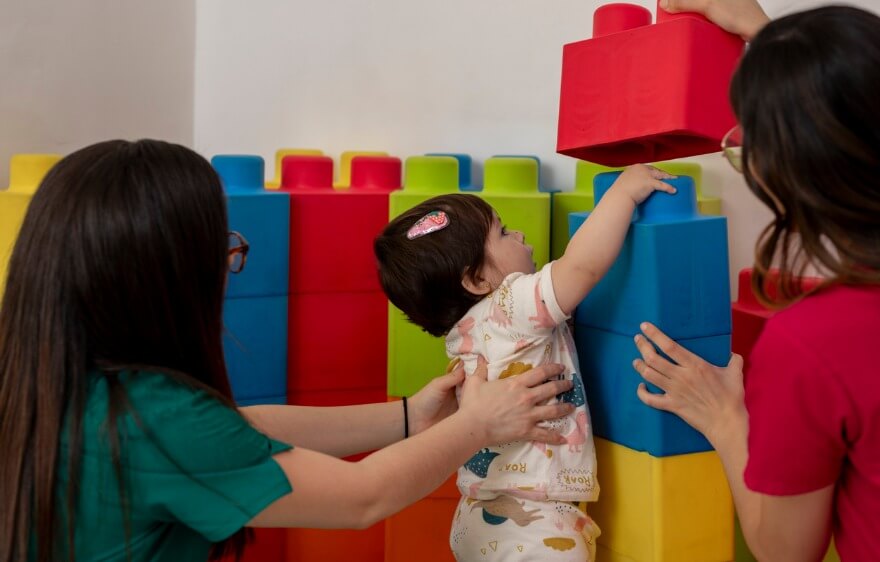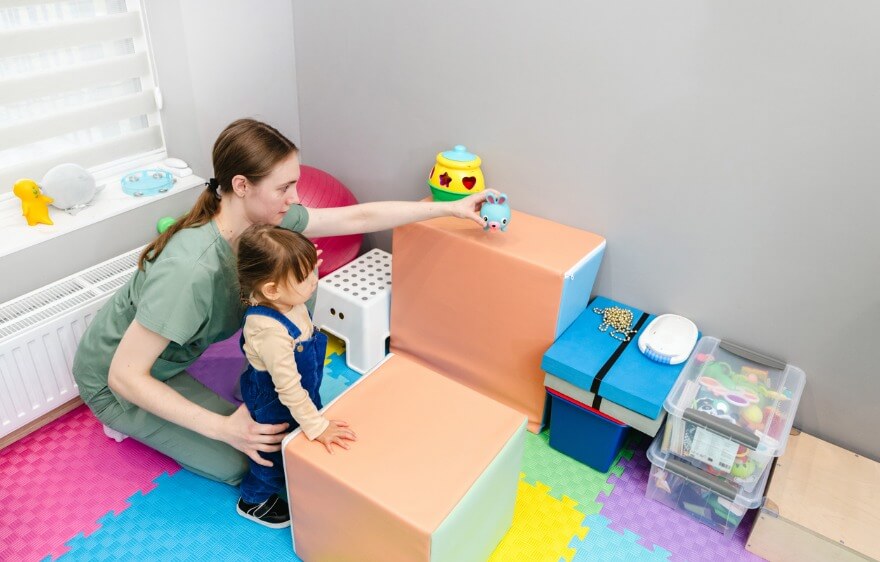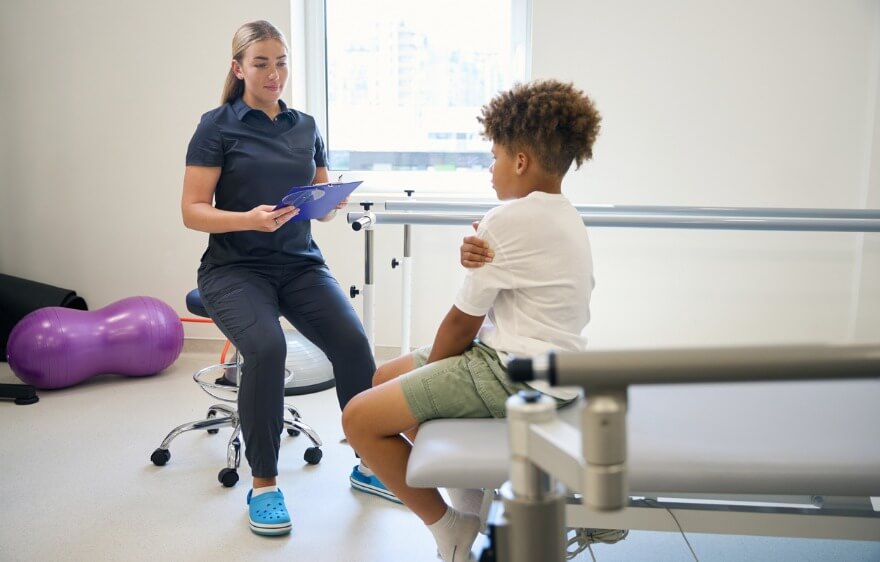


Establishing a child as they grow and develop in the early years is of primary concern for any parent. Setting children up for success and equipping them to thrive in the world as adults is wrapped into that concern as well. The early development stages of a young life have their variables for sure, and children develop at different paces and in different ways. Part of this development is paired with a lot of grace and patience for each individual child’s personal timing, but there is a different part of development that might rise to the top as needing extra support. One of these extra support needs could be for physical therapy.
As children progress through the development years and into the early stages of self-care, the process becomes increasingly complex due to the numerous responsibilities, tasks, and activities assigned to them. Modern living demands a certain level of physical dexterity, given that our lifestyles are filled with phones, learning, games, and various other activities that require a keen physical prowess to excel in. Activities such as putting on clothes, brushing teeth, using a remote control, and handling art supplies all require practice and physical dexterity development. As we mentioned, all children have a different pace for reaching specific milestones, with a reasonably large amount of variation that can be considered normal, however, if you notice a consistent slowing in your child’s ability to perform tasks of daily life, early identification and physical therapy support can be critical to get them over the slump and ready for future success!
When to start thinking about physical therapy for my child?
Physical Therapy is a specific practice that supports children, not entirely limited to, but definitely including the following conditions:
- Autism displays signs of movement-associated delays in the following ways:
- Straining in any way when walking, jumping, and performing other large-movement skills
- Struggling to tie their shoes and other small-movement skills
- Lack of coordination and hand-eye coordination
- Inconsistent balance
- Difficulty planning movements
- Walking instability
- Poor posture control
- Cerebral Palsy displays signs of movement-associated delays in the following ways:
- Missing developmental, social, and cognitive milestones
- Physical and motor skill challenges
- This diagnosis often comes at a very young age
- Chronic Pain
- Consistent and persistent pain lasting longer than 6 months.
- Down Syndrome
- This diagnosis is usually given during pregnancy.
- General Developmental Delays
- 4 months- holding head up
- 6 months- sitting
- 12 months- walking
- General movement difficulties
- Low muscle tone
- Neuromuscular disorders
- Stumbling
- Waddling
- Trouble climbing stairs
- Toe walking (heels do not hit the floor)
- Difficulty pushing
- Trouble getting up after sitting
- Spinal Cord Injuries
- Low strength
- Loss of motor function or paralysis
- Breathing difficulties
- Bladder/bowel function loss
- Loss of feeling
- Spasms
- Pain
- For spina bifida, a tuft of hair or a birthmark may be present above the abnormality
- Torticollis
- Head tilting to one side
- Limited range of head/neck motion
- Facial asymmetry
- Musculoskeletal issues
- Traumatic Brain Injury
- Change in eating habits
- Irritability
- Inconsolability, persistent crying
- Change in attention span
- Change in sleep habits
- Seizures
- Depression
- Drowsiness
- Loss of interest in preferred activities
How would my child benefit from physical therapy?
Indications that your child, regardless of why they are experiencing the delay, would benefit from physical therapy are:
- Progress in motor skill development
- Improved balance
- Improved coordination
- Reduced or eliminated pain
- Motor skills that support safe and efficient movements
- Increased and improved strength
- Slowed disease progression/Maintain function as long as possible
- Adaptation to loss of function
- Managed pain
- Strengthened muscles
- Increased balance and mobility
- Finding alternative ways to complete tasks
- Improved quality of life
- Strengthened neck muscles to straighten the head
- Relearned movements
- Regained strength
According to Early Intervention Special Interest Group Meeting, “Physical therapy helps families with their child’s development and ability to participate in age-appropriate and meaningful activities with families, friends, and neighbors. Physical therapists use their knowledge and skills specifically related to motor and self-care function, assistive technology, and medical/healthcare science to provide a unique contribution to the team.” Physical therapy is a huge help to children who are delayed or injured. Therapy can help them run, jump, spin, slide, and climb in their backyard and neighborhood park. It helps children learn to hold a variety of objects, from floppy to stiff, and use them to build, create, and participate in self-care activities. Among a boatload of other things, perhaps most importantly, it helps families understand how to meet their child’s needs and create opportunities for them to develop motor abilities. Finding resources in their community that are suited to their needs, get ready to go to preschool or other community programs, and make decisions on adaptive equipment when and if needed by the child
Are you ready to explore physical therapy for your child?
When you or your physician are ready to investigate physical therapy for your child, Care Options for Kids has an experienced, well-established team to help. Our process begins with a comprehensive evaluation, conducted by one of our pediatric Physical Therapists (PT) in your home. Our physical therapists are experts in movement and function, and all the professionals at Care Options for Kids specialize in children’s therapy. Our pediatric therapy PTs have their Master’s or PHd from an accredited physical therapy program, NPTE, and are licensed in Colorado. In the initial stages, they will thoroughly discuss the evaluation, recommendations, options, and individualized goals, and assist you in working with your child at home. If an evaluation identifies a developmental delay (a child doesn’t just “grow out of it”), pediatric physical therapy (pediatric PT) is highly recommended, and an individualized plan of care is created to meet your child’s specific needs. A pediatric physical therapy therapist will come to your home or your child’s school (or another natural setting) so that your child will be at ease and learn in the best environment.
Schedule Your Child’s Care Assessment Today
At Care Options for Kids, we understand the unique challenges of caring for a child with basic to medically complex health conditions. Our dedicated team of pediatric therapists is here to support your family with compassionate, expert care tailored to your child’s needs. Contact us today to schedule an assessment and learn how we can help you navigate this journey with confidence and care.
Click here to start your journey to better care.
This post is for educational and informational purposes only. You should always speak with your therapist or physician before implementing this information on your own.