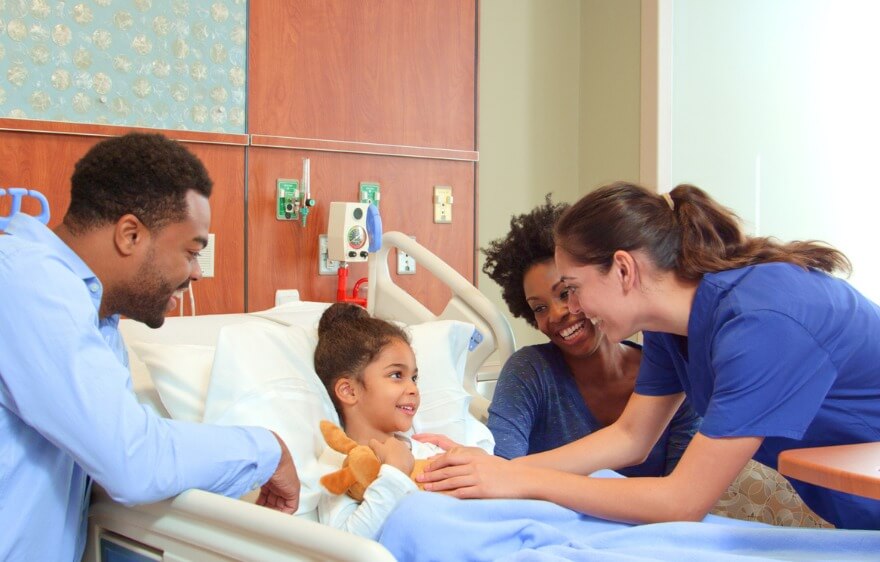


Being a family caregiver can be one of the most rewarding experiences of your life, but it can also be one of the most physically and emotionally challenging. Whether you’re caring for an aging parent, a spouse, or a child with basic to medically complex needs, the role of a family caregiver is full of both love and responsibility.
Juggling your caregiving duties with the demands of daily life can leave you feeling exhausted, overwhelmed, and often disconnected from your own needs. That’s why finding time for self-care is absolutely essential. In this post, we’ll dive into self-care tips for family caregivers and explore why it’s crucial to prioritize your health and well-being.
The Rewards and Challenges of Family Caregiving
Family caregivers are the backbone of healthcare in many families, providing support to loved ones who are aging, ill, or have disabilities. The CDC reports that more than 50 million Americans serve as family caregivers, contributing an enormous amount of unpaid time and energy. Caregivers can handle a range of important tasks, including managing medications, coordinating doctor appointments, preparing meals, assisting with mobility, and providing emotional support.
Despite the rewards of helping a loved one, the demands of caregiving can quickly become overwhelming. Family caregivers often feel isolated, unsupported, and drained, especially when they are trying to balance their caregiving duties with other responsibilities, such as work and family life.
This is where self-care tips for family caregivers become crucial — because your ability to care for others depends on your ability to care for yourself.
Why Caregiving Can Be Hard on Mental Health
While caregiving can be an act of love and devotion, it often comes with significant mental health challenges. Family caregivers are at increased risk for anxiety, depression, and chronic stress due to the constant demands of caregiving. These pressures can result from a variety of factors:
- Physical and emotional exhaustion: The round-the-clock nature of caregiving can take a significant toll on caregivers’ energy levels and emotional well-being. It can be challenging to find time to rest, which can lead to chronic fatigue.
- Feelings of guilt: Caregivers often feel guilty for needing a break, especially when they see their loved ones in need. This guilt can lead to resentment, burnout, and a lack of self-compassion.
- Isolation: Caregiving can be an isolating experience, especially if the caregiver feels like they are doing everything alone. Without time for socialization, caregivers may experience loneliness, which can worsen feelings of stress and depression.
- Financial stress: In many cases, caregiving requires taking time off work or reducing hours, leading to financial strain. This can exacerbate the mental health challenges caregivers face.
- Lack of control: Many caregivers feel overwhelmed by the constant demands and feel they have little control over their own schedules and well-being.
Given all these challenges, it’s clear that family caregivers need to prioritize their mental and physical health to avoid caregiver burnout. Learning and following practical self-care tips for family caregivers can help create a healthier balance between caregiving duties and personal well-being.
15 Self-Care Tips for Family Caregivers
Caring for yourself as a caregiver isn’t selfish — it’s necessary for both your well-being and the well-being of your loved one. Here are some key self-care tips for family caregivers that can help you manage stress, stay physically healthy, and preserve your emotional well-being:
1. Make Rest a Priority
It’s tempting to power through exhaustion, but lack of sleep can make it harder to be patient and effective in your caregiving role. Chronic fatigue can also weaken your immune system and increase stress levels. Try to prioritize rest by establishing a regular sleep routine, and if possible, take short naps during the day to recharge. This will help ensure you stay alert and emotionally available to your loved one.
2. Schedule Regular Massages
Therapeutic massage is a fantastic way to release physical tension, particularly in areas such as the shoulders, back, and neck, which tend to become tight during long hours of caregiving. A massage once or twice a month can help reduce stress and relieve chronic pain, promoting relaxation and improved circulation. If a professional massage isn’t feasible, even at-home self-massage techniques or using a foam roller can provide relief.
3. Join a Support Group
Support groups provide an invaluable opportunity to connect with others who understand exactly what you’re going through. Sharing experiences with fellow caregivers can help reduce feelings of isolation and provide emotional support, as well as practical advice and inspirational words of encouragement. Many caregivers report that having a community to turn to makes a world of difference in managing stress and staying grounded.
4. Exercise Regularly
Exercise doesn’t have to be intense to be effective. Even a brisk 30-minute walk every day can work wonders for your physical and mental health. Physical activity boosts endorphins, which are natural mood enhancers, and can help improve sleep, increase energy levels, and reduce stress. Plus, exercise provides a healthy outlet for tension and frustration.
5. Spend Time Outdoors
Nature has a powerful, calming effect on both the body and mind. Whether it’s a walk in the park, gardening, or simply sitting outside for a few minutes, time spent outdoors can help reset your mental state. Fresh air, sunlight, and natural surroundings are all beneficial for reducing stress, boosting mood, and improving mental clarity.
6. Practice Mindfulness or Meditation
Mindfulness practices, such as meditation or deep breathing, can help you stay grounded and focused amidst the demands of caregiving. Even just five to ten minutes of meditation each day can calm your mind, reduce stress, and improve your emotional resilience. Apps and guided sessions can be a great starting point if you’re new to mindfulness practices.
7. Accept Help from Others
It can be difficult to ask for or accept help, but learning to delegate tasks is crucial for your well-being. Whether it’s asking a friend to take your loved one out for a few hours, seeking help from family members, or hiring professional assistance, it’s essential to recognize that you don’t have to do everything yourself. Accepting help can reduce stress and prevent burnout, ensuring that you have the time and energy to recharge.
8. Engage in a Creative Hobby
Taking time for creative activities that bring you joy, like painting, knitting, or writing, can help you de-stress and reconnect with yourself. Hobbies provide a sense of accomplishment and allow you to momentarily step away from caregiving duties, fostering creativity and giving you something to look forward to. Even a few minutes of creative expression can have a profound effect on your mental well-being.
9. Establish Healthy Boundaries
It’s important to establish boundaries with both your loved one and others around you. Set realistic expectations for yourself and communicate your needs clearly to others. Saying “no” when necessary is not a sign of weakness, but an act of self-respect. Healthy boundaries help protect your emotional energy and allow you to better care for both yourself and your loved one.
10. Eat Nutritious Foods
You can’t pour from an empty cup. Nourishing your body with healthy, balanced meals is crucial for maintaining energy levels, mental clarity, and physical strength. A diet rich in fruits, vegetables, lean proteins, and whole grains supports overall well-being and helps prevent the fatigue and burnout that can arise from poor eating habits. Don’t skip meals, and consider meal prepping in advance to save time and reduce stress.
11. Get Away for a Short Trip
Sometimes, a change of scenery is the best way to recharge and restore your mental clarity. Even a short weekend getaway or a day trip to a nearby location can provide a much-needed respite from the demands of caregiving. Time away allows you to unwind, gain perspective, and return to your caregiving role feeling rejuvenated and refreshed.
12. Delegate Household Chores
Caregivers often find themselves managing not only caregiving tasks but also household chores, which can quickly become overwhelming. Don’t be afraid to delegate tasks like cleaning, grocery shopping, or laundry to family members or consider hiring a professional to assist with household duties. Relieving yourself of these extra responsibilities can help you focus on self-care and your loved one’s needs.
13. Talk to a Therapist or Counselor
If you’re feeling emotionally overwhelmed or uncertain about your caregiving role, speaking with a therapist or counselor can provide you with valuable coping strategies and emotional support. Therapy offers a safe, non-judgmental space to express your feelings, reduce stress, and gain insight into how you can better care for yourself and your loved one.
14. Practice Gratitude
Gratitude has a powerful impact on your mindset, helping you focus on the positive aspects of caregiving. Try keeping a gratitude journal and jot down a few things you’re grateful for each day, no matter how small. This simple yet powerful self-care tip for family caregivers can shift your perspective, reduce feelings of frustration, and help you stay present and appreciative of the moments that matter most.
15. Set Realistic Expectations for Yourself
Perfectionism can be a trap for many caregivers. While you may want to do everything perfectly, it’s important to remember that you’re only human. Set realistic, achievable goals for yourself, and give yourself grace when things don’t go as planned. Acknowledge that it’s okay to have limits, and prioritize your well-being over perfection. Self-compassion is key to sustaining long-term caregiving.
These tips are designed to help family caregivers find a better balance, reduce stress, and maintain their physical and mental health. Prioritizing self-care is crucial — not just for you, but also for the well-being of your loved ones.
The Benefits of Home Care Services for Family Caregivers
In addition to the above self-care tips for family caregivers, one of the most beneficial resources available is home care services. These services offer professional support to caregivers, significantly reducing the mental, emotional, and physical strain associated with caregiving.
Home care services can include anything from assistance with daily activities like bathing, dressing, and grooming to more specialized care like physical therapy, medication management, or hospice care. By bringing in trained professionals, family caregivers can get a much-needed break while knowing their loved one is still receiving the care they need.
Some of the key benefits of home care services for family caregivers include:
- Reduced stress: With professional help, caregivers can take time off for rest, appointments, or personal activities without worrying about their loved one’s safety or well-being.
- Improved care for your loved one: Home care professionals bring specialized skills and training that can enhance the care your loved one receives. This is particularly important for individuals with complex medical needs.
- Increased social interaction: Having a home care provider can help combat the isolation many caregivers feel. This allows for more time to engage with other family members and friends.
- Better work-life balance: With the support of home care, caregivers can better balance their caregiving responsibilities with work and personal life.
In addition to a range of professional home care services, Care Options for Kids also offers family caregiver programs that provide dedicated support to parents and caregivers. These programs offer the opportunity to receive training that empowers caregivers to take an active, skilled role in everyday health activities, improving quality of care while providing compensation.
Helping Caregivers Thrive
As a family caregiver, it’s easy to put your own needs on the back burner while caring for a loved one. But implementing these self-care tips for family caregivers can help you stay healthier, happier, and more resilient in the face of caregiving challenges. Remember, self-care isn’t selfish — it’s essential.
Prioritize your well-being with these self-care tips for family caregivers, and don’t hesitate to explore the option of home care services to provide much-needed relief. When you care for yourself, you’ll be better equipped to care for your loved one with patience, compassion, and strength.
Schedule Your Child’s Care Assessment Today
At Care Options for Kids, we understand the unique challenges of caring for a child with basic to medically complex health conditions. Our dedicated team of pediatric home health care nurses is here to support your family with compassionate, expert care tailored to your child’s needs. Contact us today to schedule an assessment and learn how we can help you navigate this journey with confidence and care.
Click here to start your journey to better care.