

The prevalence of a speech and language developmental delay in children is between 2%-19%
When seven-year-old Bennett Cooper was two years old, his mother, Lainie, realized that while she could understand what he was saying, most people could not. Deeply concerned, she immediately scheduled an appointment with Bennett’s pediatrician.
First Visit to Pediatrician
Bennett’s pediatrician didn’t express much concern during the initial visit, opting for the “wait and see” approach. He conveyed to her that Bennett is still growing and his speech would soon follow. Lainie still felt unsure about the diagnosis, but she trusted Bennett’s pediatrician.
“I left the pediatrician’s office thinking Bennett’s speech would clear up on its own as he got older. He became easier to understand as he got older, but it was clear that he had speech issues. He would oftentimes substitute the first letter of a word for something else, and all of his ‘S’ sounds were pronounced with a lisp.”
The possibility of a child showing signs of a delay can be stressful for any parent. Research from the National Institute of Child Health and Development indicates that when intervention is delayed, it takes four times as long to intervene in fourth grade as it does in late kindergarten due to brain development and an increase in content for students to learn as they grow.
After conferring with her husband and trusting her instincts, Lainie decided to self-refer Bennett to Care Options for Kids. After an evaluation with a licensed pediatric therapist, Bennett was soon scheduled for speech-language therapy sessions.
First Therapy Session
Bennett’s first speech therapy session with Kim Vestal, speech-language pathologist at Care Options for Kids, was very successful. They worked on the letter ‘S’ and he graduated speech in less than a year.
“Kim was amazing. Bennett loved working with her, and she made it easy for me by conducting the speech sessions with him at daycare. To this day, his ‘S’ sound is perfect,” adds Lainie.
Second Visit to Pediatrician
After taking a year off speech therapy, Bennett went to kindergarten and Lainie discovered that while most children in his class could say their ‘R’ sound, Bennett was unable to do so. A follow-up visit with Bennett’s pediatrician was scheduled, and she was told that his speech was “developmentally appropriate.” Lainie waited a few more months to see if Bennett’s ‘R’ sound improved, but, unfortunately, it never did. Lainie submitted another referral to Care Options for Kids and Bennett was matched with Kim again.
Early Intervention
Early intervention is crucial in ensuring that a child stays on track with developmental milestones. According to the American Academy of Pediatrics, the prevalence of any developmental delay is estimated at 15 percent in U.S. children three to 17 years old. The prevalence of a speech and language developmental delay in children is between 2%-19%.

Only three percent of all children receive the needed public early intervention services by three years of age. The percentage of school-aged children receiving public intervention services reaches a peak of 12.5 percent between the ages of nine and 12 years. The gap that exists for children needing moderate therapy to increased levels of therapy, including additional behavior therapy can be addressed by intervening early, identifying with a comprehensive evidence-based medical evaluation and one-to-one individualized therapy by a specialized pediatric clinician.
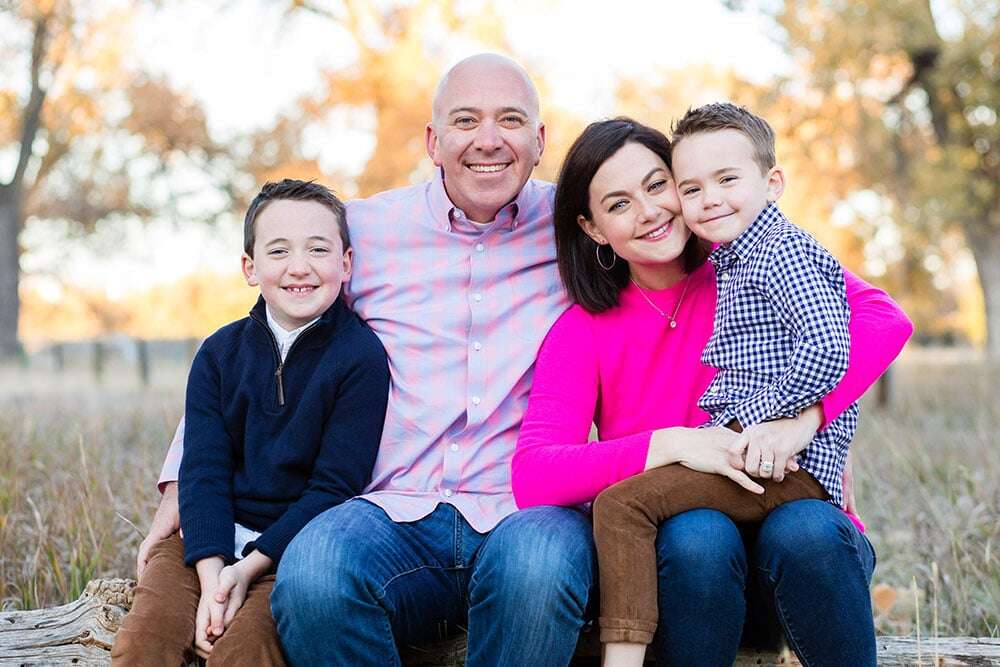 Bennett’s Current Situation
Bennett has been working with Kim for nearly two years, and he is very close to graduating. Kim said the letter ‘R’ is the most difficult sound to correct in a child, but his ‘R’ sound is correct at least 75 percent of the time.
“Kim has really empowered me with the knowledge to help and coach Bennett on a daily basis. I was a little worried when Bennett’s therapy was switched to a virtual session. But Kim has him engaged and excited during every single session. We have continued to reach goals exactly as with in-person sessions”. The energy she brings to the table is remarkable.”
“The most important thing I’ve learned about early intervention in relation to speech therapy is to act when you have concerns. My husband and I first had concerns when Bennett was two-and-a-half, and had we moved forward with the evaluation at that point, we’d just be that much further along in this process,” adds Lainie.
Check out Lainie Cooper’s Video Testimonial
Care Options for Kids is the leading provider of pediatric occupational, physical, speech, behavior, and feeding therapy services delivered in the home in-person or through a seamless interactive virtual experience. Our 400+ clinicians have provided therapy to over 4,000 children from birth to 21 years old. Since 2005, we have provided over one million visits.
In-home early intervention therapy care utilizes evidence-based techniques tailored to meet your child’s specific needs, with a child-friendly focus. By providing one-on-one individual care in your child’s natural environment, we help establish a strong foundation for future learning, enabling your child to reach their full potential and achieve their best life. Our mission is to support you and your family by providing professional clinical evaluations, treatment options, resources, and information, so you feel empowered to make the best decisions for your child and family.
Schedule Your Child’s Care Assessment Today
At Care Options for Kids, we understand the unique challenges of caring for a child with basic to medically complex health conditions. Our dedicated team of pediatric therapists is here to support your family with compassionate, expert care tailored to your child’s needs. Contact us today to schedule an assessment and learn how we can help you navigate this journey with confidence and care.
Click here to start your journey to better care.
This post is for educational and informational purposes only. You should always speak with your therapist before implementing this information on your own.