
Norovirus is a highly contagious virus that can cause significant distress, especially for parents caring for young children. As one of the leading causes of gastroenteritis, or stomach flu, in children, norovirus can quickly spread in schools, daycare centers, and even within households. With symptoms like vomiting, diarrhea, and stomach cramps, norovirus in children can lead to dehydration and discomfort. While it is often a short-term illness, the effects of norovirus can be particularly challenging for parents who are trying to navigate the disease while keeping their children comfortable.
In this guide, we will delve into the causes, symptoms, diagnosis, and treatment of norovirus in children. We will also discuss how to care for a child with this illness and provide some essential considerations for caring for children with chronic conditions or weakened immune systems. Whether your child is currently dealing with norovirus or you simply want to be prepared for the future, we’re here with essential information to help you manage the situation with confidence.
What Is Norovirus?
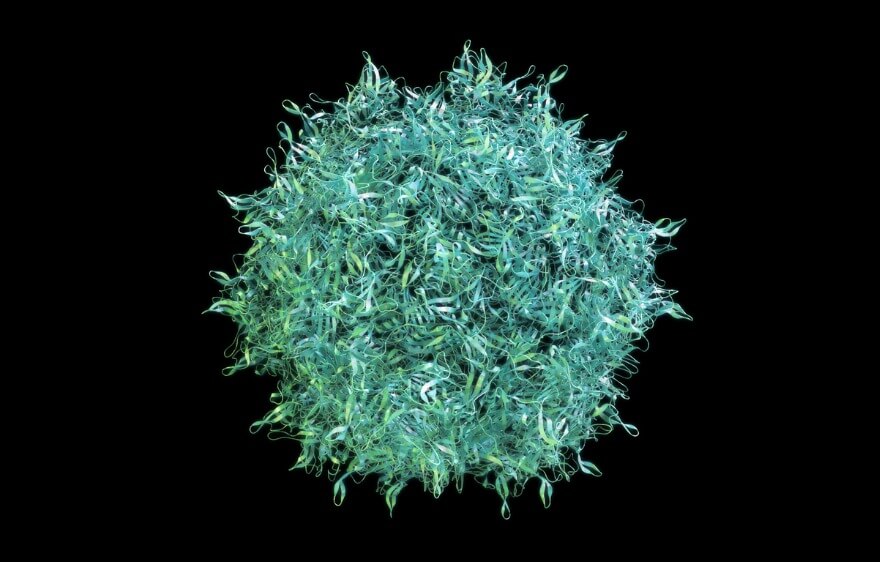
Norovirus is a highly contagious virus that primarily affects the stomach and intestines, leading to a condition known as gastroenteritis. Gastroenteritis is characterized by inflammation of the stomach lining and intestines, which disrupts the normal functioning of the digestive system. It is often referred to as the “stomach flu,” although it is not related to the influenza virus. Norovirus is the leading cause of viral gastroenteritis in both adults and children, and it can spread easily through direct contact with infected individuals or contaminated surfaces.
The virus is particularly notorious for its ability to spread rapidly in group settings like schools, daycare centers, and hospitals, making children especially vulnerable. Norovirus in children can strike suddenly and cause a range of symptoms that make the child feel miserable for a short period. While it can be intense, the illness is usually self-limiting and resolves within a few days with proper care.
Causes of Norovirus in Children
Norovirus is primarily transmitted through two main routes: direct contact with an infected person or consumption of contaminated food or water. The virus can also be spread by touching contaminated surfaces that infected people have touched. In the case of children, many of the standard transmission routes include:
- Person-to-person contact: Norovirus spreads when an infected person vomits or has diarrhea. Tiny particles containing the virus can be expelled into the air or land on surfaces, and a child can contract the virus by touching these surfaces or inhaling contaminated particles.
- Contaminated food or water: The virus can be transmitted through contaminated food, such as fruits, vegetables, or shellfish. Water sources, including drinking water or swimming pools, may also harbor the virus if they are not properly sanitized.
- Contaminated surfaces: Norovirus can survive on surfaces for days, which makes it easy for children to pick up the virus if they touch infected doorknobs, toys, or other common surfaces and then put their hands near their mouths.
- Airborne particles: Vomiting due to norovirus can release virus particles into the air, and children nearby may inhale these particles.
Because norovirus is so contagious, it can spread rapidly in households, schools, and daycare centers. Children are especially susceptible because they often have close contact with one another and may not always practice good hygiene.
Symptoms of Norovirus in Children
The symptoms of norovirus in children are typically sudden and can be intense. They usually begin within 12 to 48 hours after exposure to the virus, though the timeline can vary. Common symptoms include:
- Vomiting is the hallmark symptom of norovirus and can occur very suddenly. It may be accompanied by nausea and can last for several hours.
- Diarrhea: Children infected with norovirus often experience frequent, watery stools that can lead to dehydration if not managed properly.
- Stomach cramps: Abdominal pain and cramping are common, and they may be severe enough to cause distress in children.
- Fever: Some children may develop a mild fever, though it is usually low-grade.
- Headache: A headache is another common symptom of norovirus infection.
- Fatigue: Children infected with norovirus may experience extreme tiredness and lethargy, a common symptom of viral infections.
Most cases of norovirus in children resolve within one to three days; however, during this time, the child may experience significant discomfort. While the virus is usually not life-threatening, the risk of dehydration is a serious concern, especially for young children.
Diagnosis of Norovirus in Children
Diagnosing norovirus in children typically involves a review of the child’s symptoms and a physical examination by a healthcare provider. In many cases, doctors do not need to conduct specific tests, as the symptoms of norovirus are usually distinct and apparent. But in more severe or complicated cases, stool samples may be tested to confirm the presence of the virus.
Parents need to be aware that other gastrointestinal viruses or bacterial infections can cause similar symptoms. This is why healthcare providers may consider the child’s recent exposure to people with similar symptoms, outbreaks at school or daycare, and the nature of the illness before making a diagnosis.
If you are concerned about your child’s symptoms or if they are showing signs of dehydration, it is always best to consult a healthcare professional for guidance.
Treatment of Norovirus in Children
There is no specific antiviral treatment for norovirus in children, and antibiotics are not effective since the infection is viral. The focus of treatment is generally supportive, meaning that the goal is to help your child feel more comfortable and prevent complications such as dehydration.
Some key components of treatment for norovirus in children include:
- Hydration: Dehydration is the primary concern associated with norovirus in children. Make sure your child drinks plenty of fluids, such as water, clear broths, or oral rehydration solutions like Pedialyte. Avoid sugary drinks, such as soda or fruit juice, as they can exacerbate diarrhea.
- Rest: Encourage your child to rest as much as possible. Fatigue is common during a norovirus infection, and adequate rest helps the body fight off the virus more efficiently.
- Anti-nausea and anti-diarrheal medications: In some cases, doctors may recommend over-the-counter anti-nausea medications, though these are typically used with caution in young children. For diarrhea, it’s essential not to use anti-diarrheal medicines without consulting a doctor, as they may exacerbate the condition.
- Gradual reintroduction of food: Once vomiting has stopped, you can begin to offer bland foods like toast, rice, applesauce, or crackers. Avoid dairy and fatty foods until your child’s stomach has settled.
- Monitor for complications: Keep an eye on your child’s hydration levels. Signs of dehydration in children include dry mouth, reduced urine output, lethargy, and dizziness. If these symptoms occur, seek medical attention immediately.
Caring for a Child with Norovirus
Caring for a child with norovirus requires patience and attention to detail. Here are some tips to make the process a bit easier:
- Keep your child isolated: Since norovirus is highly contagious, try to limit your child’s contact with others as much as possible. Keep them at home from school or daycare until they have been symptom-free for at least 48 hours.
- Clean thoroughly: Regularly disinfect surfaces in your home, especially those that are frequently touched, like doorknobs, light switches, and bathroom fixtures. Use a bleach-based disinfectant to ensure the virus is killed.
- Practice good hygiene: Wash your hands thoroughly and frequently, especially after caring for your sick child or cleaning up after them. Handwashing is the most effective way to prevent the spread of norovirus.
Considerations for Children with Chronic Conditions
For children with chronic conditions or compromised immune systems, norovirus can pose additional risks. Conditions such as asthma, diabetes, or heart disease may make it harder for children to recover quickly. Dehydration in particular can be more severe in these children, and medical intervention may be needed sooner than for other children.
If your child has a chronic condition, it is crucial to monitor their symptoms closely and seek medical advice if they show signs of dehydration or if the illness seems to be worsening. Be sure to inform any providers, including home care, about your child’s condition so that they can offer specific advice based on their health history.
Keeping Your Child Healthy and Happy
Norovirus in children can be a distressing experience for both children and parents, but it is usually a temporary illness that resolves on its own. By understanding the symptoms, treatment options, and best practices for care, parents can help ease their child’s discomfort and minimize the risk of complications. With proper hydration, rest, and monitoring, most children recover fully within a few days. But if you have concerns about your child’s health or the severity of their symptoms, don’t hesitate to reach out to a healthcare provider. Your child’s well-being is always worth the extra attention and care.
Schedule Your Child’s Care Assessment Today
At Care Options for Kids, we understand the unique challenges of caring for a child with basic to medically complex health conditions. Our dedicated team of pediatric home health care nurses is here to support your family with compassionate, expert care tailored to your child’s needs. Contact us today to schedule an assessment and learn how we can help you navigate this journey with confidence and care.
Click here to start your journey to better care.