
Want to take your occupational therapy practice to new frontiers? It’s time to explore the great outdoors!
Outdoor occupational therapy is an exciting and dynamic approach that brings the benefits of nature directly into therapeutic practices. If you’re an occupational therapist (OT) looking to enhance your practice, or a parent or caregiver looking to introduce your kiddo to new experiences, you’re in the right place.
In this guide, we’ll help you become an outdoor occupational therapy explorer, pinpointing its many benefits and the practical ways that OTs can integrate nature into their care plans.
Outdoor Occupational Therapy Explained
At its core, outdoor occupational therapy uses nature and outdoor environments to support therapeutic interventions. It’s about stepping outside and taking advantage of the natural world to address sensory, motor, and cognitive needs. Whether it’s a park, a playground, a garden, or a quiet forest trail, the outdoors can provide a rich and varied environment for children and adults alike to work on their skills, build confidence, and reconnect with their surroundings.
Outdoor occupational therapy takes advantage of the many benefits that natural settings offer. Nature itself becomes a tool in the therapy process. Natural elements — like different textures, sounds, sights, and smells — can stimulate the senses, improve attention and focus, and help people build strength and coordination in a way that feels fun and engaging.
7 Benefits of Outdoor Occupational Therapy
There are so many benefits to incorporating outdoor spaces into therapeutic interventions. Whether working with children, adults, or individuals with disabilities, the outdoors can offer advantages that an indoor setting may not provide.
Key benefits of outdoor occupational therapy include:
1. Sensory Stimulation
Outdoor environments offer a rich sensory experience. From the feel of the grass underfoot to the sound of birds chirping or the wind rustling through trees, nature provides a multi-sensory experience that can help individuals regulate their sensory systems. For children with sensory processing disorders, exposure to different textures, sounds, and temperatures can help them learn to manage sensory input and build resilience to overstimulation.
2. Physical Activity and Motor Skills Development
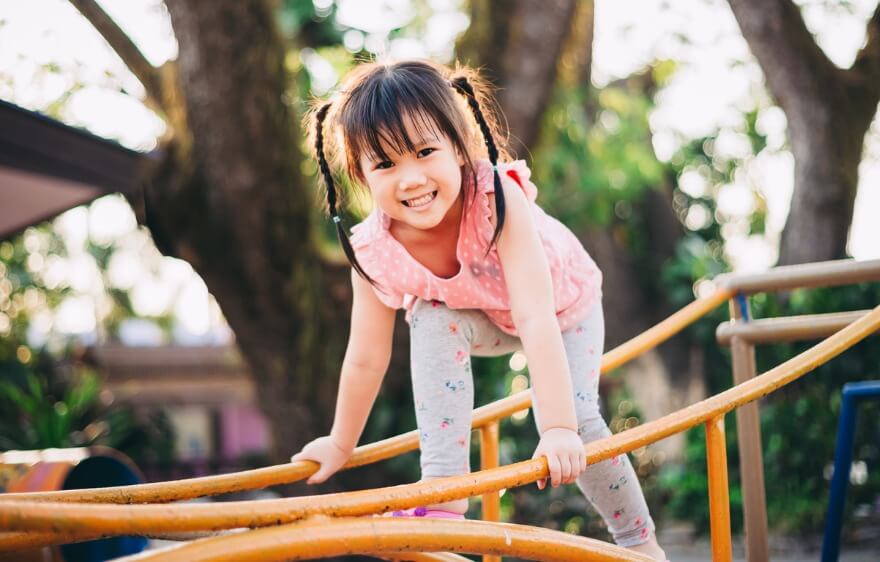
In the great outdoors, movement comes naturally. Whether it’s running, climbing, jumping, or balancing on uneven surfaces, outdoor spaces provide plenty of opportunities to practice gross motor skills. Physical activity is crucial in occupational therapy, and nature offers a range of terrains that challenge the body in different ways, helping to develop strength, coordination, and flexibility.
3. Improved Focus and Attention
It’s no secret that outdoor environments have a calming and grounding effect. Spending time in nature can help improve focus and attention, reduce stress, and enhance overall well-being. For children, especially kids managing attention-deficit issues, outdoor occupational therapy can provide a welcome break from the sometimes overwhelming sensory stimuli of an indoor setting, allowing them to engage more fully in their therapeutic tasks.
4. Boosting Mental Health
Nature is a great place to relax and de-stress. Spending time outdoors can help with anxiety, stress, and depression, promoting mental clarity and emotional regulation. The natural world offers a peaceful and quiet space that allows people to recharge, reset, and regulate their emotions. This can make outdoor occupational therapy particularly effective for clients experiencing difficulties with emotional regulation.
5. Creativity and Problem-Solving
Outdoor environments often encourage creative thinking and problem-solving. Children can build structures with sticks and rocks, create art using natural materials, or engage in imaginative play that incorporates the natural surroundings. These activities challenge children to think critically and engage in the process of planning, decision-making, and goal-setting.
6. Enhanced Social Interaction
Outdoor spaces are often more social environments, whether it’s a local park or a backyard. The unstructured play that often occurs outdoors can encourage children to interact with one another, develop social skills, and improve their communication. This can be especially important for children with social communication challenges or developmental delays, as natural environments provide a more informal and flexible setting for these interactions.
7. Supports Self-Regulation and Independence
Being in nature can promote self-regulation. The outdoor environment offers ample space for children to engage in activities that encourage independence, such as gathering natural materials or completing outdoor tasks. When children are allowed to explore the outdoors, they also develop a sense of autonomy, which builds their self-esteem and confidence.
How Outdoor Occupational Therapy Can Help Children
Outdoor occupational therapy is especially beneficial for children. From toddlers to teenagers, kids thrive when they have opportunities to explore and engage with nature. But how exactly can outdoor OT make a difference for children?
Gross and Fine Motor Skill Development
Children naturally use their bodies in different ways when outdoors. Climbing, running, skipping, and crawling through the grass all provide great opportunities for gross motor development. Meanwhile, activities such as gathering leaves or stacking rocks are excellent for developing fine motor coordination and hand-eye coordination.
For children with developmental delays, physical disabilities, or sensory processing disorders, outdoor occupational therapy offers an opportunity to work on motor skills in a less structured and more stimulating environment. The variety of surfaces and obstacles available outside helps kids build strength, balance, and coordination, while also encouraging spatial awareness.
Promoting Social Skills
Many outdoor settings — such as playgrounds, parks, or sports fields — offer a natural setting for children to interact with their peers. These settings help foster social skills, such as taking turns, sharing, and cooperative play. For children who may struggle with social interaction, outdoor occupational therapy can help build these skills in a less intimidating environment.
Building Emotional Resilience
Outdoor therapy offers a space for children to process emotions and practice self-regulation. The natural world can be calming and restorative, allowing children to process frustration, anxiety, or sensory overload in a supportive environment. Whether it’s taking a walk through the woods, doing deep breathing exercises by a river, or simply observing the natural surroundings, outdoor therapy gives children the tools they need to manage their emotions constructively.
Supporting Sensory Integration
Children with sensory processing issues can greatly benefit from the rich sensory experiences that outdoor environments offer. Nature offers a diverse range of textures, sounds, smells, and visual stimuli, which can help children become more comfortable with various sensory inputs. Outdoor occupational therapy can be especially effective for children with sensory sensitivities, as they are often able to engage with and integrate sensory experiences in a more controlled and gradual manner.
How OTs Can Integrate Nature into Care Plans
Integrating nature into an occupational therapy care plan requires thoughtful planning and creativity. Here are some ways OTs can use the outdoors as part of their interventions:
Utilize Local Outdoor Spaces
Make use of local parks, playgrounds, or natural reserves. These spaces provide a variety of terrains and activities that can be tailored to meet each client’s specific needs. Whether it’s climbing a jungle gym to build strength or playing catch to improve hand-eye coordination, outdoor settings offer numerous opportunities for OT interventions.
Incorporate Sensory Activities
There are countless ways to integrate sensory activities into outdoor therapy sessions. Encourage clients to feel different textures, such as the rough bark of a tree or the softness of a flower petal. Introduce sound-based activities, such as listening for birds or identifying different natural sounds. These sensory-rich activities can help clients develop skills in sensory regulation, attention, and self-awareness.
Nature-Based Play and Exploration
Nature itself can become a playground for therapeutic play. Activities like building nature forts, collecting leaves, or creating art from natural materials not only foster creativity but also provide excellent opportunities for developing motor skills. You can design challenges that encourage kids to engage with their environment — such as scavenger hunts, balancing on logs, or jumping between stones.
Mindfulness and Relaxation
Taking a moment to pause and observe the natural surroundings can help individuals of all ages improve their mindfulness and relaxation skills. Use outdoor environments for activities that focus on breathing, relaxation, and awareness. Whether it’s deep breathing exercises, yoga on the grass, or simply enjoying the serenity of the outdoors, these activities can be therapeutic for those struggling with stress or emotional regulation.
Adapting Activities for Specific Needs
If a client has specific challenges, you can adapt outdoor activities to target individual needs. For example, if a child has balance issues, you might focus on outdoor activities like walking on uneven surfaces, jumping, or hopping. If a child struggles with fine motor skills, activities like picking up small objects, drawing in the sand, or tying knots in nature can be highly beneficial.
Thriving in the Great Outdoors
Outdoor occupational therapy is a powerful tool that brings the healing, restorative, and enriching properties of nature into therapeutic practice. Whether you are an OT looking to bring fresh ideas to your sessions or a parent supporting your child’s development, outdoor occupational therapy has a wealth of opportunities to grow, learn, and thrive. The sensory, physical, emotional, and cognitive benefits of nature are undeniable, and with a bit of creativity, nature can become an integral part of the therapeutic process.
By integrating outdoor environments into care plans, OTs can create engaging, effective, and holistic therapeutic experiences that encourage growth and development. So, next time you’re planning a session, consider stepping outside and embracing the natural world. Your clients — and the therapy you provide — will benefit in ways you never thought possible.
What is our mission at Care Options for Kids? Connecting families with highly skilled therapists to achieve better outcomes for pediatric occupational therapy and overall quality of life. By supporting the best therapists with the skills, knowledge, and resources they need to succeed, we can help families flourish and kids reach their full potential.
Join the Care Options For Kids Team!
Are you ready for meaningful work that comes with benefits and not burnout? Join the compassionate care team that helps children and families live their best lives. Our clinicians provide best-in-class pediatric nursing, therapy, and school-based services. We bring individualized care to children where they live, work, and play. We have opportunities in homes, schools, and clinics across the country.
Apply now at Care Options for Kids. We make it easy to start so you can make a difference as soon as possible.