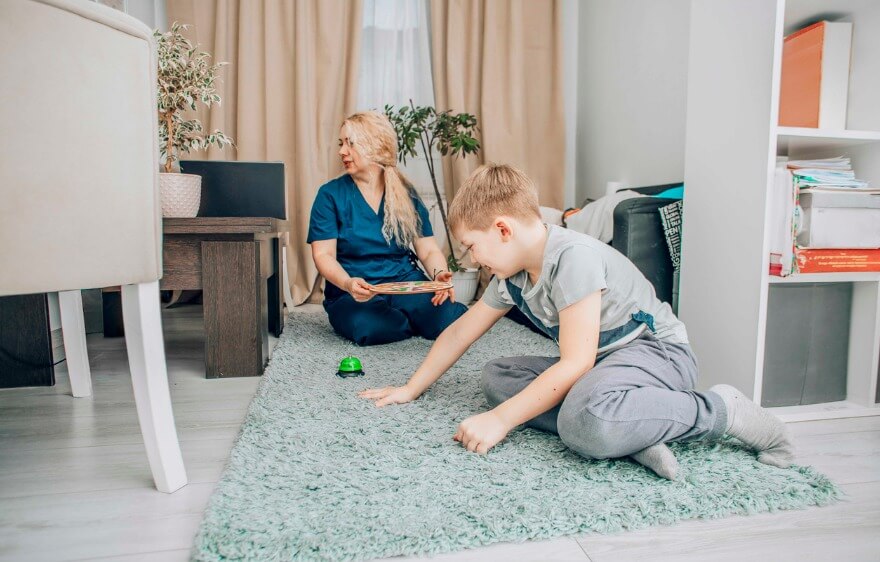


When most people think of physical therapy, they picture athletes rehabbing a sports injury or older adults recovering from surgery. But in pediatric physical therapy, the work is often very different — and incredibly rewarding. A day in the life of a physical therapist who works with children is filled with movement, imagination, patience, and joy.
It can still be about healing injuries, but it can also be about helping children unlock their potential, one milestone at a time.
The World of Physical Therapy
Physical therapy is a discipline built on helping people to improve their movement, manage pain, and regain physical function. Whether it’s recovering from surgery, managing a chronic condition, or improving mobility after an injury, physical therapists are the movement experts who design tailored exercises and interventions to meet specific goals.
In a typical day in the life of a physical therapist, sessions may involve evaluating mobility, creating custom exercise plans, and using hands-on techniques like stretching or manual therapy. It’s an active, hands-on profession that blends science with compassion.
Pediatric Physical Therapy: A Special Calling
Pediatric physical therapy takes all of this and scales it down. The clients are younger, the goals are different, and sometimes the sessions look more like playtime than treatment. But don’t let the toys and giggles fool you — it’s serious work.
Pediatric therapists help children with a wide range of conditions, including developmental delays, cerebral palsy, spina bifida, torticollis, and certain genetic disorders. They also work with kids recovering from surgeries or injuries. A day in the life of a physical therapist in this field requires creativity, deep knowledge of child development, and an unshakable belief in every child’s potential.
The Morning Routine
Days often start early for PTs. Many pediatric physical therapists work in outpatient clinics, schools, hospitals, or even home-based settings. The morning begins with reviewing the day’s schedule, checking in on documentation from the previous day, and prepping therapy spaces. Since each child has a different treatment plan, preparation might include setting up a balance beam, selecting sensory toys, or pulling out soft mats for crawling practice.
In many settings, the first appointment could be 8:00 AM. The initial sessions often involve toddlers or preschool-aged children. At this age, therapy is as much about building trust and engagement as it is about movement. One of the first tasks of the day might be working with a 2-year-old with delayed walking, guiding them to stand while blowing bubbles or stacking blocks.
These morning sessions are both physically and emotionally active. A day in the life of a physical therapist working with children often feels like running a preschool crossed with a gym — one where every activity is purposeful and therapeutic.
At Care Options for Kids, we’re committed to offering our in-home pediatric physical therapists flexible scheduling to help them meet families where they are. Whether working with kids in the morning or afternoon, our therapists have the tools they need to support therapeutic goals while maintaining a healthy work-life balance.
Typical Afternoon Sessions
After lunch, the therapist moves into the afternoon schedule. These sessions might include school-age children or teenagers. Afternoons are often more structured, helping kids after school or in between other therapies. While mornings may be focused on foundational motor skills like crawling or walking, afternoons may focus more on functional goals like climbing stairs, improving coordination, or developing strength for sports.
The afternoon is the time to shine for home-based Pediatric PTs in particular! For therapists at Care Options for Kids, afternoons are often the busiest time slot. Many families request after-school sessions so they can be present with their child during therapy.
One session might involve helping an 8-year-old with cerebral palsy improve their gait using a treadmill or walker. The next could be with a teenager recovering from knee surgery who’s working on agility drills. A day in the life of a physical therapist means being ready to switch gears quickly — from imaginative games with a 3-year-old to data-driven strength training with a 15-year-old.
Who Are the Core Clients?
In pediatric physical therapy, the clients are diverse but often share common needs: support for movement, mobility, and motor development. Many were born with conditions that affect how they move. Others have experienced injuries or medical interventions that interrupted typical development.
Some of the most common diagnoses include:
- Cerebral palsy
- Down syndrome
- Developmental coordination disorder
- Autism spectrum disorder
- Torticollis and plagiocephaly in infants
- Muscular dystrophy
- Orthopedic injuries
- Developmental delays
Each diagnosis comes with its own challenges, but the common thread is the need to support physical development in a way that aligns with the child’s age, ability, and interests. A day in the life of a physical therapist includes not only the child but their caregivers, siblings, and other professionals like occupational and speech therapists.
Client Interactions: More Than Just Therapy
One of the most beautiful parts of pediatric in-home therapy is the bond formed between the therapist and the child. These are not one-time visits. Many of the families that we serve are long-term clients with short-term goals. As a clinician, sessions are filled with giggles, high-fives, and small victories that feel huge. Being an in-home pediatric therapist means that you have the opportunity to support a child and their family in their true natural environment.
A child who takes their first independent steps in a therapy session creates a moment that everyone remembers. Therapists cheer, parents cry, and even siblings may join in the celebration. A day in the life of a physical therapist includes these powerful emotional highs that make the work deeply fulfilling.
But not every session is joyful. When you arrive at a home, sometimes the children you see may be tired, overstimulated, or struggling with behavior challenges. A skilled therapist learns how to adapt on the fly in the home environment, shifting from planned activities to ones that better match the child’s mood. In those moments, flexibility is key, and success is measured in small gains — one repetition, one smile, one cooperative moment at a time.
Specialized Interventions: Tools and Techniques
Pediatric physical therapists draw from a rich toolkit of interventions, each carefully chosen to meet the unique needs of the child. What might look like play to an outside observer is actually a highly structured and purposeful approach to therapy. Every toy, movement, and exercise serves a specific goal.
Gross Motor Play
Play is the primary language of children, and therapists speak it fluently. Therapy often begins with gross motor activities designed to strengthen large muscle groups and improve coordination. Rolling a ball back and forth helps with bilateral coordination and balance. Climbing through a foam obstacle course challenges core stability and spatial awareness. Pediatric PTs have the opportunity to create playful setups in the child’s home that aren’t just fun — they’re carefully designed to build foundational skills like walking, jumping, and catching.
Strength Training
For children who need to build muscle tone or recover from an injury, physical therapy exercises involving strength training are a key component. Instead of weights or gym equipment, therapists often use resistance bands, soft ankle weights, or bodyweight exercises adapted for younger clients. A child might practice squats while pretending to pick apples from an invisible tree or use animal walks — like crab crawls or bear walks — to build upper body strength. Strengthening is made engaging, transforming repetition into adventure while targeting key muscle groups needed for daily movement.
Gait Training With Assistive Devices
When walking is a challenge, gait training steps in — sometimes literally. Therapists help children learn to walk independently or with support by using walkers, gait trainers, or parallel bars. A toddler with cerebral palsy might practice stepping with a posterior walker while following a trail of musical floor pads. For a teen recovering from surgery, gait retraining might involve treadmill sessions paired with mirrors for visual feedback. Orthotics such as ankle-foot braces are also used to support proper alignment and prevent injury. Each step is guided and adjusted with care to help the child move more freely and confidently.
Sensory Integration Techniques
Many children experience difficulties with sensory processing, which affects how they respond to touch, movement, or noise. To help regulate these responses, therapists incorporate sensory integration techniques. A child who craves movement might spin in a hammock swing to help calm their nervous system. Another might use a weighted blanket or deep-pressure activities like rolling under a therapy ball to increase body awareness. These strategies are designed to help children become more comfortable in their own skin and better able to focus and participate in daily activities.
Taping and Orthotic Support
Therapists may use specialized kinesiology tape to support weak muscles, promote better posture, or cue specific movements. For example, a strip of tape applied along the back can gently remind a child to keep an upright posture during sitting or walking. Orthotic devices — such as customized shoe inserts or braces — provide physical support and help improve alignment during movement. These interventions are subtle yet powerful, helping to fine-tune a child’s mechanics and prevent long-term complications.
Parent and Caregiver Coaching
A vital part of any pediatric therapy program is empowering the child’s support system. Therapists spend time teaching parents and caregivers how to continue exercises at home, often using everyday objects and routines. They might show a parent how to turn tummy time into a fun game using a laundry basket or how to incorporate stretching into a diaper change. This collaborative approach ensures that progress continues after the session endsand that caregivers feel confident and supported in their role.
The Challenges: Patience and Perspective
Pediatric physical therapy is incredibly rewarding, but it’s not without challenges. Progress can be slow. Some children work for months just to improve balance enough to stand independently. Families are often navigating complex emotions, and complex situations.
Emotional burnout is a risk in any caregiving profession. A day in the life of a physical therapist can be physically exhausting and emotionally intense. But support from colleagues, continued education, and self-care strategies help keep therapists resilient.
The Rewards: Why It’s All Worth It
Despite the challenges, most pediatric therapists will tell you they wouldn’t want to do anything else. Watching a child learn to crawl, walk, run, or jump for the first time is unforgettable. Helping a nonverbal child communicate through movement or enabling a child in a wheelchair to navigate the playground brings joy that is hard to describe.
A day in the life of a physical therapist is filled with purpose. The work matters. It changes lives. Every small gain is a building block for independence, confidence, and joy. And the relationships formed — with children, families, and colleagues — are often life-long.
One Day, Many Stories
A day in the life of a physical therapist doesn’t end when the last session of the day does. It’s not a job you leave at the door — it’s a calling that sticks with you. In each child’s story, each family’s journey, the therapist plays a part. And that’s something truly special.
At Care Options for Kids, we offer specialized pediatric therapy services that enable your skills and expertise to truly make a difference in young lives. From helping kids build motor skills to gaining independence in daily activities, therapists in our community play a major role in improving quality of life one step at a time.
When you become part of our village, you get the support, tools, and flexibility you need to make a lasting difference. From innovative technology to a welcoming, collaborative community — you’ll always feel supported, valued, and right where you belong.
Join the Care Options for Kids Team!
Are you ready for meaningful work that comes with benefits and not burnout? Join the compassionate care team that helps children and families live their best lives. Our clinicians provide best-in-class pediatric nursing, therapy, and school-based services. We bring individualized care to children where they live, work, and play. We have opportunities in homes, schools, and clinics across the country.
Apply at Care Options for Kids now. We make it easy to start so you can make a difference as soon as possible.