

As summer winds down, the shift toward a new school year brings a mix of excitement and uncertainty that can be overwhelming. This is all the more true for families of children with special care needs, including basic, medically complex, or chronic health conditions. Whether your child is returning to school, starting a new routine at home, or continuing to receive care from the comfort and safety of your home while siblings head back to class, this season can be a major time of transition for the whole family.
To help you navigate back-to-school head-on, we’re sharing this helpful guide that covers some of the most common challenges families face and provides useful tips and strategies to manage them effectively. From creating family schedules to emotional check-ins, the Care Options for Kids team is here with a guide to help calm the butterflies and set everyone up for success this school year!
Common Back-to-School Challenges for Medically Complex Families
For families managing any number of special health needs, back-to-school hurdles too often go unseen. That’s why it’s important to remember that you and your child’s feelings are valid — and it’s okay to feel overwhelmed by the layers of preparation, emotion, and uncertainty that come with them. Some of the most common challenges to watch out for, and know how to respond to, include:
- Medical uncertainty and safety concerns: Will the school environment be safe? Will staff recognize signs of distress or know how to respond in an emergency? These are not small worries — they’re deeply rooted in lived experience. The need for consistent, informed care across home and school settings can make this season feel emotionally and logistically taxing.
- Gaps in communication or understanding at school: Even with detailed care plans in place, families often have to re-educate new teachers, aides, and administrators each year. Explaining your child’s condition, equipment, or communication style — again and again — can be exhausting.
- Emotional strain on the whole family: Back-to-school season often intensifies the emotional load for parents and siblings. Some children may be responding to missed milestones or social opportunities, while others may be adjusting to a sibling’s absence after spending the summer closely bonded. It’s a time of change for everyone.
- Lack of flexibility in traditional school structures: For children who need rest breaks, feeding tubes, suctioning, or frequent absences, the rigid nature of a school day can be challenging. Families may feel pressure to conform to systems that weren’t designed with some children in mind.
- Feelings of isolation or “otherness”: Seeing back-to-school posts filled with smiling faces and new backpacks can amplify feelings of being left out, especially if your child is staying home due to health concerns or care needs. It’s okay to feel down in these moments, even as you celebrate your child’s progress and milestones.
These challenges don’t mean you’re doing something wrong. They mean you’re navigating a deeply nuanced reality that requires care, adaptability, and courage.
Tips for a Smoother, Happier Back-to-School Season
No two families’ experiences are the same, and your family’s needs, pace, and plans are as important as they are unique. To help make this time as stress-free as possible, here are some strategies you can adapt to help you prepare emotionally and practically for the back-to-school season.
1. Create a Flexible Family Schedule
Whether your child is in school or at home, building a predictable rhythm can provide structure and reduce stress.
For school-attending children:
- Preview the school day: Use visuals or social stories to help children anticipate the daily routine.
- Build in rest and recovery: Schedule downtime after school to support energy levels and emotional regulation.
- Plan for transitions: Leave buffer time in the mornings and evenings to accommodate care needs or emotional moments.
For children staying at home:
- Craft a daily rhythm: Even a loose structure — breakfast, story time, medical care, creative play — can give children a sense of purpose and predictability.
- Integrate educational and therapeutic activities: If your child is receiving at-home therapies or health services, consider creating a visual or written schedule for clarity and motivation.
- Coordinate sibling schedules: Let siblings know what to expect and when. Consider overlapping quiet time or activity blocks to support harmony and balance.
2. Open Communication with Educators and School Teams
If your child is attending school, clear, compassionate communication is key to building trust and ensuring safety.
Preparing the School:
- Share a care plan early: If your child has a 504 Plan or Individualized Education Plan (IEP), review it before the year starts. Offer updates based on recent care needs or diagnoses.
- Build a bridge with key staff: Schedule a virtual or in-person meeting with teachers, the school nurse, and aides. Bring photos, emergency instructions, and a one-page summary of your child’s strengths and needs.
- Discuss absence protocols: Outline how the school should communicate with you during medical absences, and explore ways your child can stay connected to peers or classroom content.
Advocacy tip: Don’t hesitate to bring in your child’s care team or an advocate if needed. You deserve to feel supported in building a collaborative relationship with your school.
3. Supporting Siblings: A Whole-Family Perspective
Siblings often carry a mix of emotions — pride, worry, resentment, protectiveness, and love. As routines shift, they may also need extra support.
Consider the sibling experience:
- Acknowledge their feelings: Let siblings know it’s okay to feel excited, nervous, or even guilty about going to school when their sibling stays home.
- Create “just us” moments: Even 10–15 minutes of focused time with each child helps them feel seen and valued.
- Build empathy and understanding: Read books or tell stories that reflect your family’s unique journey. Involve siblings in small, age-appropriate caregiving tasks to foster inclusion.
4. Emotional Check-Ins for the Whole Household
Transitions can resurface grief, anxiety, or frustration, especially in medically complex households where change may feel unpredictable or unfair.
Support emotional well-being:
- Practice morning and evening check-ins: A simple “How are you feeling about today?” can open up space for honesty and reassurance.
- Name the hard things: It’s okay to say, “I know this is a lot,” or “This feels different this year.” Naming emotions helps normalize them.
- Celebrate small wins: A smooth drop-off, a good therapy session, a sibling helping without being asked — these moments deserve recognition.
5. Stay Grounded in What Works for Your Family
There’s no single “right” way to do back-to-school. What matters most is finding rhythms and rituals that fit your family’s energy, needs, and goals.
Some ideas to anchor your days:
- Create a shared family calendar: Include school events, appointments, rest days, and self-care reminders for caregivers.
- Start a “morning mantra” or affirmation: Something like “We do today in our way,” or “Every part of our family matters.”
- Designate a quiet space: A comfort corner or calm-down basket with books, music, or sensory tools can be grounding for anyone in the home.
You’re Not Alone
Back-to-school season often highlights the many ways medically complex families live outside the “typical” schedule. That difference doesn’t mean you’re behind — it means you’re navigating with incredible strength, creativity, and heart.
Whether your child is heading into a classroom, staying home for ongoing care, or adjusting to a new care routine entirely, this transition deserves recognition and compassion. You’re doing so much — and it matters.
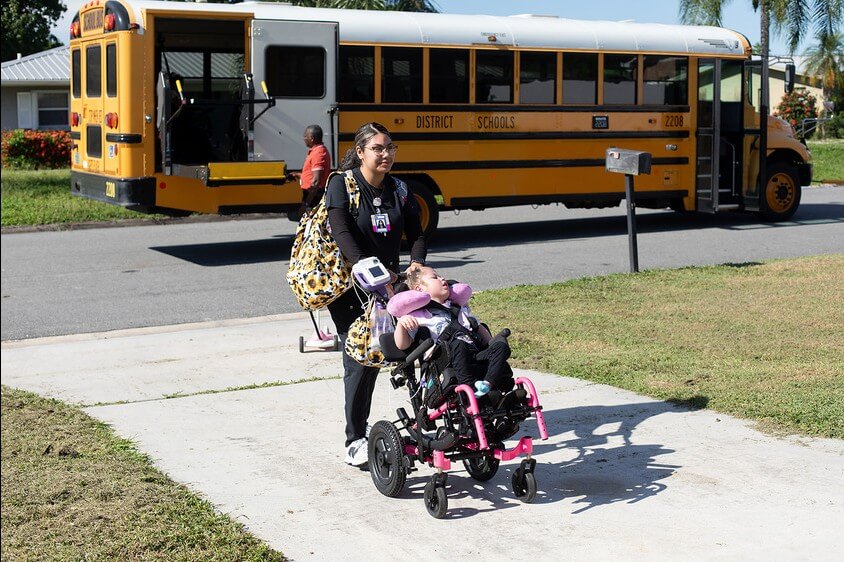
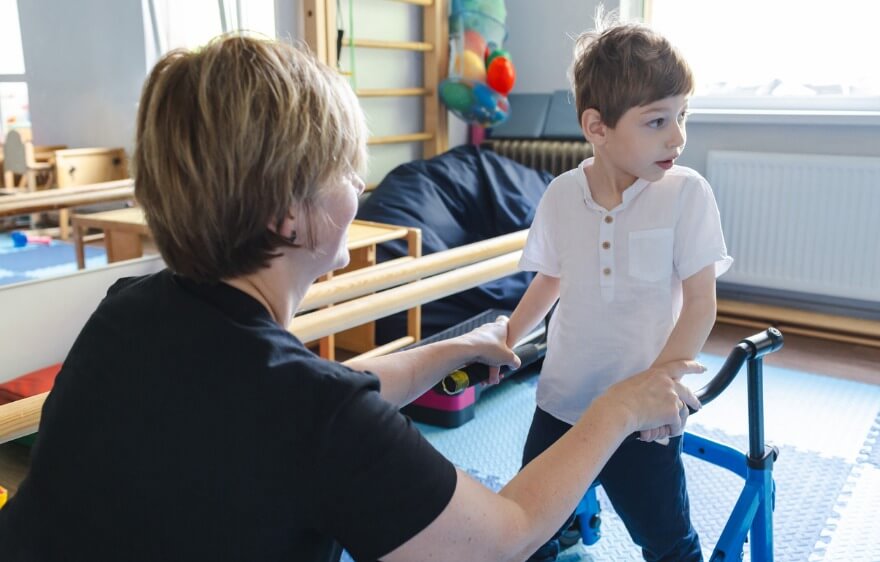
The community at Care Options for Kids offers a wide range of services to support families as they get back into the groove of the school year. From school-based services like speech and occupational therapy to nursing care at school and nurse-assisted bus transportation, we’re here to meet your needs wherever we can. Our specially trained care professionals know how to work closely with educators to build an environment that supports your child’s success.
Schedule Your Child’s Care Assessment Today
At Care Options for Kids, we understand the unique challenges of caring for a child with basic to medically complex health conditions. Our dedicated team of pediatric home health care clinicians are here to support your family with compassionate, expert care tailored to your child’s needs. Contact us today to schedule an assessment and learn how we can help you navigate this journey with confidence and care.
Click here to start your journey to better care.