
Every child has a world of potential inside them — a unique combination of talents, quirks, dreams, and challenges. Sometimes, they just need a little extra help to access it. For so many children and families, pediatric occupational therapy offers support that can make an incredible difference.
Working with an occupational therapist can help young people flourish by building the skills they need to participate in everyday life fully. Whether it’s learning to tie their shoes, write their name, or manage big emotions, pediatric occupational therapy plays a quiet yet powerful role in helping children grow into confident, capable individuals.
In this post, we’ll highlight the basics of pediatric occupational therapy, including what it looks like in real life and how families can work with therapists to empower children to reach their fullest potential. It’s a field grounded in evidence, fueled by compassion, and often filled with play — and its impact can be nothing short of magical.
What is Pediatric Occupational Therapy?
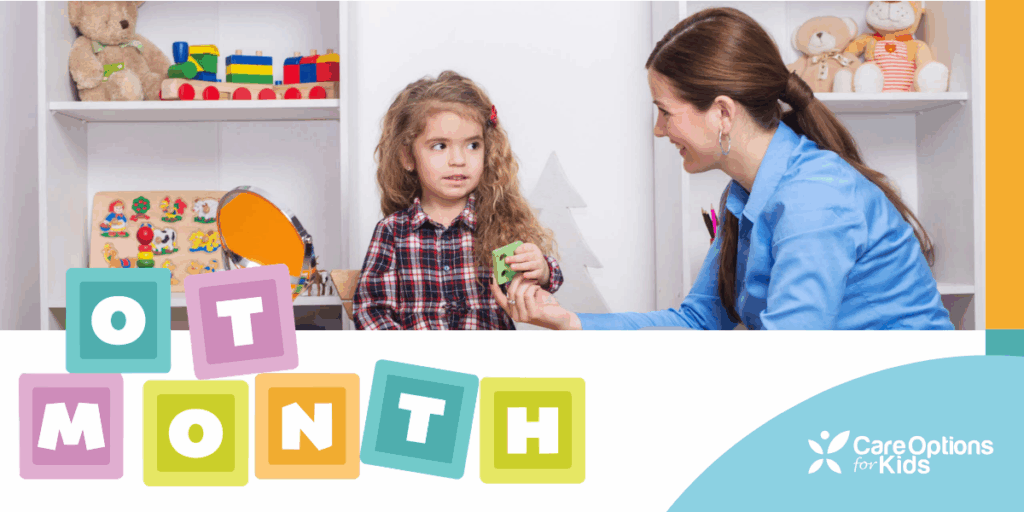
Pediatric occupational therapy (OT) helps children gain independence and improve their ability to perform daily activities, or what therapists call “occupations.” For a child, occupations include everything from getting dressed, brushing teeth, playing, socializing, participating in school, and learning how to regulate emotions or follow routines. When developmental delays, disabilities, injuries, or sensory challenges interfere with these daily tasks, pediatric occupational therapy steps in to help.
Occupational therapists are highly trained professionals who assess a child’s physical, cognitive, emotional, and sensory development. They then use that information to create individualized treatment plans tailored to each child’s needs. The goal is never to “fix” a child, but to provide the tools and strategies that support growth, learning, and participation across settings.
Activities of Daily Living: Building the Foundation
Activities of daily living (ADLs), or occupations, are the building blocks of a child’s independence. These include basic self-care tasks such as:
- Dressing and undressing
- Feeding and using utensils
- Brushing teeth and grooming
- Toileting
- Sleeping routines
While these tasks may come naturally to some children, others struggle due to developmental delays, coordination issues, or sensory sensitivities. Pediatric occupational therapy breaks down these activities into manageable steps, using adaptive techniques, games, or visual supports to make learning fun and accessible.
For example, a child who has difficulty with buttoning a shirt may work on strengthening fine motor skills through playful therapies like using tweezers to pick up small objects. A child who avoids brushing their teeth because of sensory aversion might benefit from sensory integration activities that desensitize and prepare them for the experience.
Over time, and with consistent support, children not only master these daily routines — they also gain confidence, independence, and a greater sense of control over their environment.
Gross Motor Skills: Building Strength and Coordination
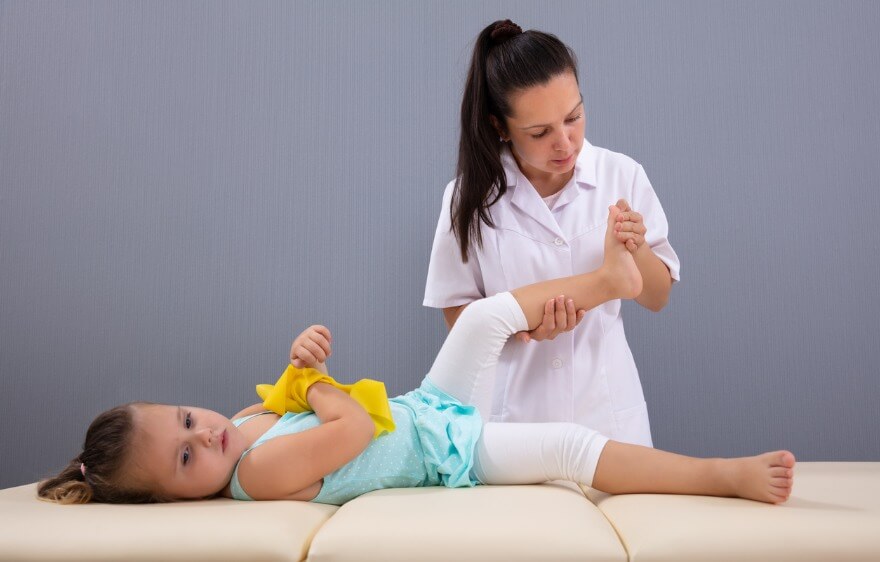
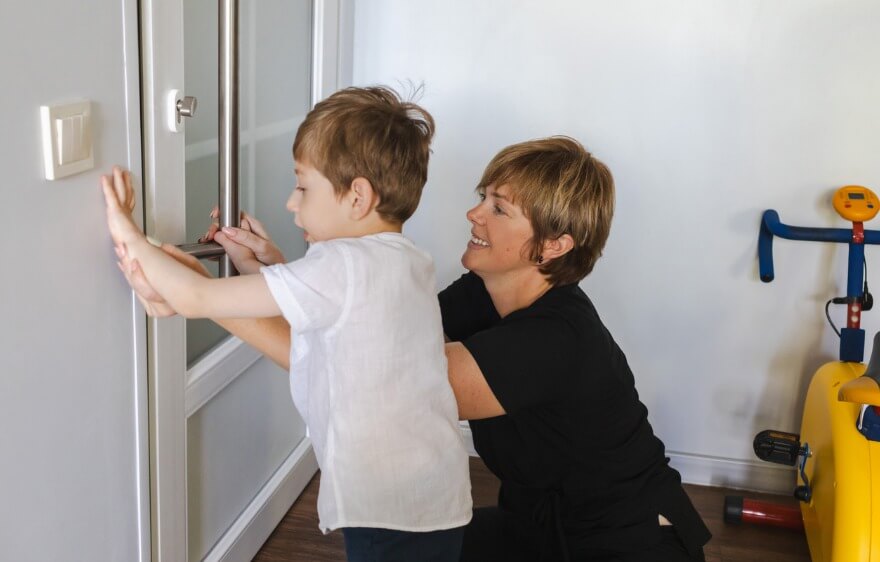
Gross motor skills involve large muscle groups used for activities like sitting, walking, running, jumping, and climbing. These skills form the physical foundation for play and mobility. When children face challenges with balance, strength, or coordination, it can impact not only their physical health but also their ability to socialize and engage with peers.
Pediatric occupational therapy can help children improve gross motor development by incorporating targeted exercises and engaging games. Climbing obstacle courses, playing catch, riding scooters, or practicing animal walks are just a few examples of how therapists make movement fun while building strength, endurance, and body awareness.
In children with conditions like cerebral palsy, developmental coordination disorder, or hypotonia (low muscle tone), consistent therapy can lead to meaningful improvements in posture, stamina, and overall functional ability.
Fine Motor Skills: Precision in the Details
Fine motor skills refer to the smaller, more precise movements of the hands and fingers. These are essential for tasks such as writing, cutting with scissors, using utensils, buttoning clothes, and manipulating small toys.
Children who have difficulty with fine motor tasks may avoid writing, struggle in school, or become frustrated with tasks their peers seem to do effortlessly. Pediatric occupational therapy focuses on strengthening hand muscles, improving dexterity, and refining coordination.
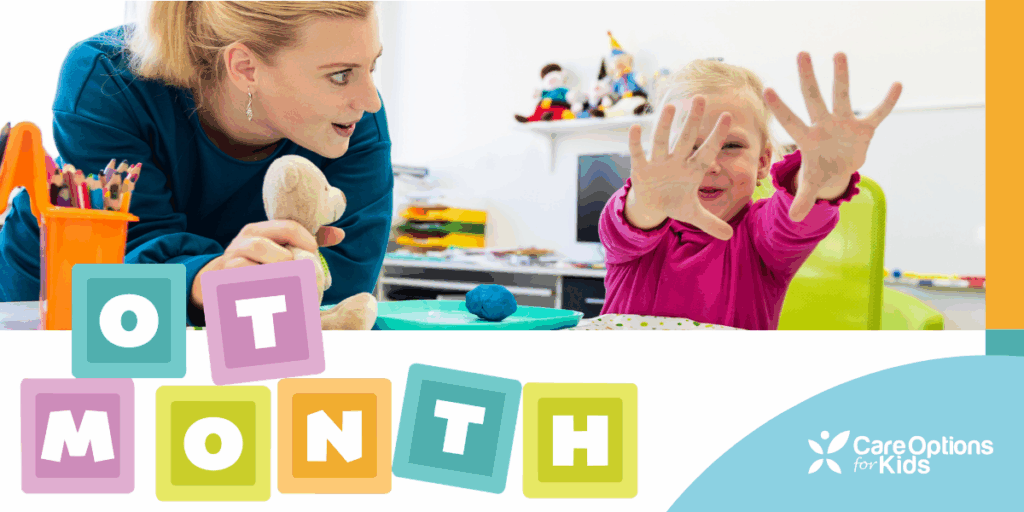
Therapists may use tools like therapy putty, pegboards, or lacing cards to make practice enjoyable. Writing readiness activities, such as tracing shapes or forming letters in sand, are used to promote pencil control and hand-eye coordination. These interventions lay the groundwork for academic success and help children feel more capable and included.
Executive Functioning and Emotional Regulation
Beyond physical skills, pediatric occupational therapy also supports cognitive and emotional development — particularly in the areas of executive functioning and emotional regulation.
Executive functioning refers to the brain’s ability to manage time, stay organized, follow directions, and shift attention from one task to another. These are crucial skills for school success and daily life. Children with ADHD, autism, or sensory processing disorder often struggle in this area.
Occupational therapists help children develop routines, use visual schedules, set up organizational systems, and learn problem-solving techniques. Games that require turn-taking, memory, or sequencing are often incorporated to practice these skills in an engaging way.
Emotional regulation, meanwhile, is about recognizing, understanding, and managing emotions. Some children may become overwhelmed easily, have frequent meltdowns, or struggle to calm down after becoming upset. Pediatric occupational therapy can teach strategies like deep breathing, sensory breaks, or the use of calming tools, such as weighted blankets or fidget items, to help children navigate their emotions more effectively.
In-Home Pediatric Occupational Therapy: Support Where It Matters Most
In-home pediatric occupational therapy brings therapy directly into a child’s everyday environment. This setting offers unique advantages — it allows therapists to assess real-life challenges in the home, such as navigating mealtimes, bedtime routines, or transitions between activities. It also empowers caregivers by involving them directly in the therapeutic process.
In-home sessions often feel more comfortable and less intimidating for children, which can lead to faster progress. Therapists can work with children in their natural environment, using familiar items and routines, which helps generalize skills more effectively. Whether it’s helping a child develop the motor skills to brush their own teeth or using kitchen tasks to promote sequencing and following directions, therapy becomes part of daily life rather than a separate appointment.
School-Based Pediatric Occupational Therapy: Bridging the Gap in Learning
School is one of the most important environments for a child’s development — and also one of the most challenging for many. Pediatric occupational therapy within a school-based setting often focuses on helping children succeed in the academic environment. Therapists collaborate with teachers and staff to support learning, attention, motor coordination, and social participation.
This type of therapy might take place in the classroom, during recess, or in a separate therapy room, depending on the child’s needs and the school’s resources. Common school-based OT goals include improving handwriting, maintaining seated posture, managing transitions between tasks, and developing social-emotional skills for peer interactions.
School-based therapists also play a critical role in creating accommodations or modifications, such as adaptive seating, pencil grips, or visual schedules, to support learning. By embedding support directly into the educational setting, children can better access their curriculum and participate fully in school life.
Working Together: Home and School Collaboration
The most effective pediatric occupational therapy doesn’t happen in isolation — it thrives on collaboration. When in-home and school-based therapists communicate and share strategies, children benefit from consistent support across environments.
Families can facilitate this partnership by sharing therapy reports, progress updates, and observations with school staff. Regular meetings or shared therapy plans help ensure that goals are aligned and progress is monitored holistically. For example, a strategy to improve attention span used at school might be adapted for homework routines at home, creating continuity and reinforcing skills.
Caregivers and teachers are essential members of the therapy team. With open communication and shared goals, pediatric occupational therapy becomes a collaborative effort that wraps around the child in every space they occupy.
The Quiet Magic of Pediatric Occupational Therapy
There’s something magical about watching a child achieve something they once struggled with — whether it’s zipping a jacket independently, sitting through story time, or sharing a toy without a meltdown. These moments may seem small, but they represent big victories in a child’s journey.
Pediatric occupational therapy is full of these everyday triumphs. It’s about steady progress and confidence built over time. Effective therapy respects each child’s individuality while gently guiding them toward greater independence and engagement with the world.
For families navigating the complexities of developmental delays, sensory challenges, or learning differences, pediatric occupational therapy offers practical strategies and the power of hope. It helps unlock potential, one purposeful activity at a time.
Schedule Your Child’s Care Assessment Today
At Care Options for Kids, we understand the unique challenges of caring for a child with basic to medically complex health needs. Our dedicated team of pediatric therapists is here to support your family with compassionate, expert care tailored to your child’s needs. Contact us today to schedule an assessment and learn how we can help you navigate this journey with confidence and care.
Click here to start your journey to better care.
This post is for educational and informational purposes only. You should always speak with your own therapist before implementing this information on your own.