

As we seem to get busier by the day, meeting the emotional, developmental, and health needs of our children has become an all-too-common struggle. This is especially true for families managing basic to medically complex conditions. We get it — balancing hectic schedules with the well-being of your family can sometimes feel overwhelming.
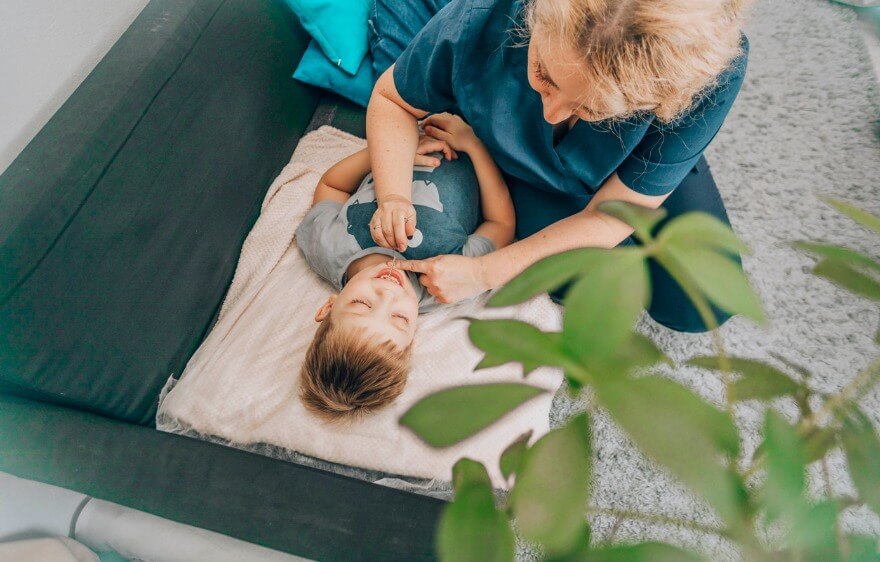
In these situations, in-home pediatric therapy has become an effective and popular way to provide personalized, effective care for children with a wide range of developmental, physical, and speech-related challenges. The power of in-home therapy goes beyond convenience. It brings therapy into the familiar, supportive environment of home, allowing kiddos to thrive in a space where they feel most comfortable.
Bringing therapy into the home has the potential not only to address the individual needs of each child but also to support collaboration among different disciplines, thereby maximizing benefits. To help anyone better understand the tremendous potential of in-home pediatric therapy, we’re exploring the many ways it can be a game-changer for children and families alike.
What is In-Home Pediatric Therapy?
In-home pediatric therapy brings skilled therapists into the home environment to work with children who need support with physical, occupational, or speech development. In contrast to traditional outpatient therapy, where children travel to a clinic or hospital setting, in-home therapy allows children to receive services in a space where they feel comfortable and familiar — whether that’s in their living room, bedroom, or play area. This can be particularly beneficial for kiddos with special needs, developmental delays, or physical challenges that require a more tailored approach to therapy.
In-home pediatric therapy covers a wide range of services and disciplines, including physical therapy (PT), occupational therapy (OT), and speech-language pathology (SLP). All of these services can be delivered in the home, with the therapist using customized strategies to address the unique needs of each child.
Types of In-Home Therapy
In-home pediatric therapy encompasses several specialized services tailored to your child’s unique needs. The most common types include physical therapy, occupational therapy, and speech-language therapy.
Physical Therapy (PT)
Physical therapy focuses on improving a child’s gross motor skills, coordination, strength, and mobility. Children with physical disabilities, motor delays, or injuries may benefit from in-home PT. A therapist can work with a child to develop movement patterns, improve balance, enhance posture, and build strength. Activities may include exercises for flexibility, balance training, and fine-tuning gross motor skills, such as crawling, walking, and running.
The beauty of in-home pediatric physical therapy lies in the ability to create a program that fits seamlessly into a child’s daily routine. The therapist can also suggest modifications or activities that parents can incorporate into their daily routines to further promote development. Whether children are recovering from surgery or simply need help mastering coordination and movement, in-home physical therapy offers a flexible and convenient solution.
Occupational Therapy (OT)
Occupational therapy helps children develop the skills needed for everyday activities, or “occupations,” like playing, dressing, eating, and participating in school. For children with fine motor delays, sensory processing disorders, or cognitive challenges, OT can significantly improve daily functioning. In-home OT can help children develop important skills like using utensils, buttoning shirts, or even engaging in age-appropriate play with peers.
Therapists may use tools and techniques such as sensory integration activities, adaptive strategies, or strengthening exercises to assist children. By working in the home, occupational therapists can tailor their interventions to real-life situations — such as helping a child use utensils at the dinner table or showing parents how to create a sensory-friendly space at home for calming and focusing. This approach makes therapy more relevant and accessible, empowering families to integrate these strategies into their everyday lives.
Speech-Language Pathology (SLP)
Speech therapy focuses on improving a child’s ability to communicate, both in terms of speech and language. Children with speech delays, articulation issues, language disorders, or feeding difficulties can benefit from in-home speech therapy. Therapists can assess a child’s speech, language comprehension, social communication skills, and oral motor skills, which are important for feeding and swallowing.
One of the advantages of in-home pediatric speech therapy is the ability to integrate the child’s environment into therapy. A therapist can assess communication within the context of a child’s daily life, incorporating family interactions, playtime, or even mealtime into the therapeutic process. By working with children at home, therapists can offer guidance on how to communicate more effectively, making the process more practical and relevant to each child’s real-world needs.
Three Major Benefits of In-Home Pediatric Therapy
In-home pediatric therapy creates a supportive, personalized environment that helps children thrive. Here are the key benefits families experience from inviting a therapist into the home setting.
1. Comfort and Familiarity
The most significant benefit of in-home pediatric therapy is the comfort and familiarity it offers kiddos. Children who may struggle with transitions or feel anxious in clinical settings often do better when therapy occurs in the safety of their own home. A familiar environment can help them feel more at ease and focus on the tasks at hand, rather than being distracted by new or unfamiliar surroundings.
2. Convenience for Families
In-home therapy eliminates the need for travel to and from a clinic, saving time and reducing stress for both parents and children. This can be especially valuable for busy families with multiple children or people who live in rural areas where access to specialized clinics may be limited. Therapy sessions can also be scheduled at times that work best for the family, offering greater flexibility.
3. Personalized Care
Therapists who work in a home have the opportunity to create a personalized therapy plan that fits seamlessly into each child’s daily life. They can observe how kids interact with family members, engage in play, and navigate their environment, offering insights and recommendations tailored to your child’s unique needs. What’s more, family members can be more involved in the process, learning strategies and techniques they can use to support progress at home.
4. Holistic Approach to Therapy
In-home pediatric therapy offers a more holistic approach to addressing a child’s needs. By being in the home environment, therapists can observe how children engage in daily activities and make real-time adjustments. This integrated approach helps therapists work more effectively, addressing not only clinical goals but also any obstacles or challenges that may arise in daily life.
How Therapy Disciplines Work Together
One of the most powerful aspects of in-home pediatric therapy is the opportunity for different disciplines to work collaboratively. While physical, occupational, and speech therapies each have their own focus, they often overlap and complement one another. For example, a child working on physical movement in PT may also need to develop fine motor skills through OT, or they may require speech therapy to improve communication while engaging in these activities.
By working together, therapists from different disciplines can create a cohesive treatment plan that addresses needs from multiple angles. A child with cerebral palsy might have physical therapy to improve movement, occupational therapy to support self-care tasks, and speech therapy to enhance communication. In-home pediatric therapy makes it easier for these professionals to coordinate their efforts and ensure that the therapy provided is both comprehensive and integrated.
Involving the Family
Family involvement is a critical aspect of successful in-home pediatric therapy. Therapists work closely with parents and caregivers to create an environment of support, ensuring that the strategies introduced in therapy are reinforced throughout the day. Parents can be trained on exercises, communication strategies, or adaptive techniques they can use when working with their child outside of therapy sessions.
Moreover, in-home therapy encourages family members to become active participants in the therapeutic process. It is not just about helping the child — it’s about empowering the whole family to create a supportive environment where the child can thrive. Parents can share their observations, concerns, and insights with the therapist, leading to a more collaborative and tailored approach.
How to Know if In-Home Therapy is Right for You
In-home pediatric therapy might be the right choice if:
- Your child struggles with anxiety or has difficulty transitioning to new environments, such as clinics.
- You want a therapy approach that is tailored to your child’s unique needs and integrates seamlessly into their daily life.
- Your family has a busy schedule, and traveling to a clinic for therapy sessions would be time-consuming or challenging.
- You’re looking for more personalized care, including ongoing feedback and support, for your child.
- Your child requires therapy across multiple disciplines, such as PT, OT, or speech therapy, and you’d like those therapies to be coordinated.
What to Look for in an In-Home Pediatric Therapy Provider
When selecting a provider for in-home pediatric therapy, it’s essential to consider several factors to ensure that the provider can meet the specific needs of your child. Look for a provider who:
- Has qualified, experienced therapists: Ensure that the therapists are licensed and have experience working with children, particularly in a home-based setting.
- Offers comprehensive services: Ideally, the provider should offer a range of therapy services, such as PT, OT, and SLP, so that you can meet all of your child’s needs in one place.
- Provides personalized, evidence-based care: Choose a provider that focuses on creating customized treatment plans based on the child’s needs and uses evidence-based methods.
- Has a collaborative approach: Look for a provider that works well with other specialists or providers involved in your child’s care and encourages family participation.
- Has positive reviews and references: Check reviews from other parents and request references to ensure that the provider is trustworthy and has a track record of success.
The highly trained and experienced team at Care Options for Kids understands that each family has unique needs and that coordinating care for a child is never a one-size-fits-all prospect. Our pediatric therapy services work together seamlessly to ease stress, save time, and provide holistic care where and when it matters most. No matter your family’s situation, we’re committed to helping you find a care plan that works best for you.
Bringing the Power of Therapy Home
In-home pediatric therapy offers a personalized, flexible, and collaborative approach to addressing the unique needs of children with developmental challenges. Whether it’s physical therapy, occupational therapy, or speech-language pathology, in-home therapy provides an environment where children can feel comfortable, engage in meaningful therapy, and make lasting progress.
By involving the family and fostering collaboration between disciplines, in-home pediatric therapy creates a holistic approach that supports the child’s overall development and well-being. If you’re considering therapy for your child, exploring the potential benefits of in-home pediatric therapy could be a life-changing decision for both you and your child.
Schedule Your Child’s Care Assessment Today
At Care Options for Kids, we understand the unique challenges of caring for a child with basic to medically complex health needs. Our dedicated team of pediatric therapists is here to support your family with compassionate, expert care tailored to your family’s health and wellness goals. Contact us today to schedule an assessment and learn how we can help you navigate this journey with confidence and care.
Click here to start your journey to better care.
This post is for educational and informational purposes only. You should always speak with your therapist before implementing this information on your own.