
When your child faces physical challenges — whether temporary or ongoing — your first priority is to find the right support. You want effective therapy, compassionate care, and a setting that encourages progress without adding stress. That’s where in-home pediatric physical therapy comes in. More than just a convenient option, this personalized approach is transforming lives by helping children reach their full potential in the comfort of their own space.
In this informative guide, we’re exploring the world of pediatric physical therapy, including why some children need it and the benefits of bringing therapy into the home. If you’re considering therapy for your child, or you’re curious about the benefits of the in-home model, this guide is for you.
What Is Pediatric Physical Therapy?
Pediatric physical therapy is a specialized branch of therapy focused on helping infants, children, and adolescents develop, improve, or regain physical function and mobility. It supports kids in building strength, balance, coordination, and movement skills necessary for daily activities and play.
In contrast to adult physical therapy, pediatric PT takes a developmental approach, meaning therapists tailor their methods to each child’s age, stage, and specific needs. Therapy is often play-based, using games, toys, and engaging activities to encourage participation and maximize progress.
Whether a child is managing a developmental delay or living with a chronic condition, pediatric physical therapy can be a key part of their care team.
Why Do Children Need Physical Therapy?
There are many reasons a child may benefit from physical therapy. Some of the most common include:
Developmental Delays
Children who aren’t meeting expected motor milestones — like sitting up, crawling, or walking — due to a developmental delay can benefit from physical therapy to help them gain the strength and coordination needed for those skills.
Neurological Conditions
Children with cerebral palsy, spina bifida, or other neurological conditions may need ongoing therapy to improve mobility, muscle tone, and motor control.
Musculoskeletal Issues
Conditions like torticollis, scoliosis, or clubfoot can impact how a child moves. Pediatric PT helps correct these issues and improve alignment and function.
Genetic or Congenital Disorders
Down syndrome, muscular dystrophy, and other genetic conditions often affect physical development. Regular therapy supports long-term mobility and independence.
The Unique Advantages of In-Home Pediatric Physical Therapy
When you think of PT, the first thing that comes to mind is a clinical setting. But many therapists, including the highly skilled and experienced team at Care Options for Kids, work in home-based settings as well. Here are some of the primary advantages that in-home pediatric physical therapy offers for many families:
1. Comfort in Familiar Surroundings
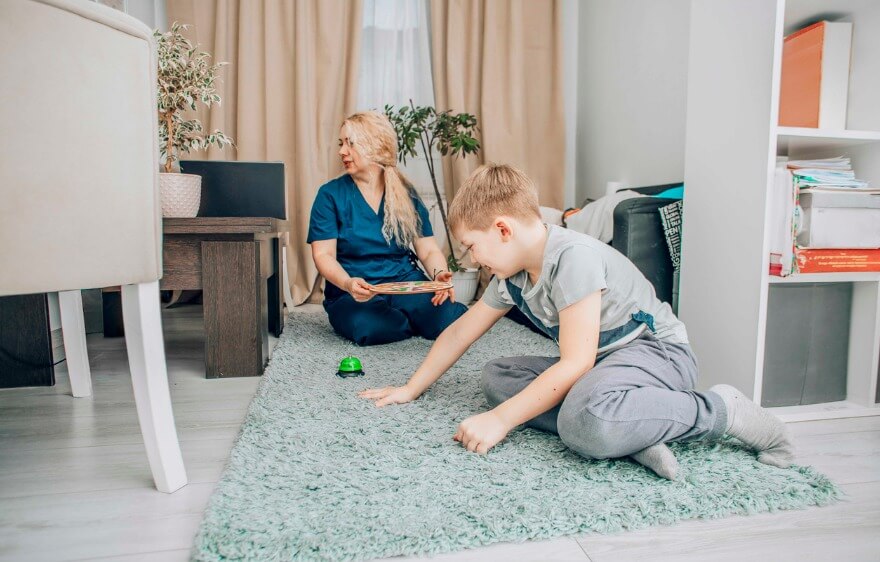
Being at home helps children feel secure and relaxed, which is essential for meaningful progress. Familiar toys, pets, siblings, and surroundings make sessions feel less clinical and more like play.
2. Reduced Stress and Travel Time
Eliminating the need to drive to a clinic saves time, money, and stress — this can be especially important for parents juggling multiple appointments or children with basic to complex medical needs.
3. Natural Integration into Daily Routines
Therapists can assess how your child moves and functions in their actual living space. They can then tailor exercises that fit naturally into your daily routines — like climbing stairs, getting into a high chair, or playing in the backyard.
4. Individualized, One-on-One Attention
In the home setting, your child receives 100% of the therapist’s attention. This focus ensures that every session is tailored, productive, and engaging.
5. Family Involvement
In-home sessions allow parents and caregivers to participate in therapy actively. You’ll learn techniques, exercises, and strategies that empower you to support your child between visits.
What Does a Typical In-Home Session Look Like?
Every child is different, so every session is unique. With that said, here’s a general idea of what you can expect from in-home pediatric physical therapy.
Initial Assessment
Your therapist will start with a comprehensive evaluation to understand your child’s current abilities, challenges, and goals. They’ll also assess the home environment to identify opportunities for therapeutic activities.
Goal-Setting
Together, you and the therapist will develop short- and long-term physical therapy goals — whether that’s walking independently, improving posture, or simply being able to join in on playground games.
Play-Based Activities
Therapy sessions often look like play. Your child may climb on cushions to build balance, use a therapy ball to strengthen core muscles, or play games that challenge coordination and mobility.
Real-World Practice
Because therapy happens at home, your child practices functional tasks in real time — like moving through hallways, transitioning from floor to couch, or navigating doorways.
Parent Coaching
Parents are absolutely part of successful therapy. Your therapist will show you how to safely guide your child through exercises, adapt your space, and create fun ways to reinforce progress daily.
How In-Home PT Supports Developmental Milestones
Reaching early developmental milestones is a major focus of in-home pediatric physical therapy. Whether your child is an infant working on tummy time or a toddler learning to walk, therapy at home accelerates progress by embedding learning into familiar routines.
Milestones in-home pediatric PT can support include:
- Rolling over, sitting, crawling, and walking
- Running, jumping, and climbing
- Hand-eye coordination for play
- Postural control and balance
- Independence with dressing or self-care tasks
By practicing these skills in the actual spaces where your child lives and plays, progress tends to happen faster and feels more natural.
Enhancing Function and Mobility in Everyday Life
One of the key goals of in-home pediatric physical therapy is to improve how a child moves and functions day-to-day. While a clinic may offer specialized equipment, home therapy focuses on real-life application. Therapists creatively use stairs, furniture, and toys already in the home to help kids build strength, mobility, and confidence.
Over time, you’ll see improvements like:
- Better walking gait and balance
- Easier transitions, such as getting up from the floor
- More confidence in movement
- Increased endurance for play and school activities
Because the therapy happens in context, your child doesn’t just learn a skill — they use it, immediately and often.
Increasing Activity Levels and Confidence
Physical therapy is about participation just as much as it is movement. Physically able kids are more likely to join in games, try new activities, and socialize with peers. For children with physical challenges, those opportunities can be limited without the right support.
In-home pediatric physical therapy builds both the ability and the confidence to engage with the world. Children feel empowered when they can climb the slide, keep up with friends, or get dressed without help. That sense of independence is priceless — and it often starts with consistent, caring therapy at home.
A Partnership That Benefits the Whole Family
Therapy supports the whole family. Having a skilled therapist come to your home reduces logistical challenges and creates a trusted relationship over time.
Parents often report:
- Feeling more involved and confident in their child’s care
- Less overwhelm from juggling appointments
- Increased understanding of their child’s needs and progress
Best of all, in-home pediatric physical therapy becomes a natural part of family life. Rather than being a task on a to-do list, it becomes woven into playtime, mealtime, and daily routines — making progress feel organic and sustainable.
A Home-Grown Solution with Lasting Impact
If you’re exploring therapy options for your child, in-home pediatric physical therapy offers amazing benefits. Along with the convenience, it offers a highly effective, family-centered approach that meets your child where they are, both literally and developmentally.
From accelerating milestones to improving function, mobility, and participation, in-home therapy helps your child thrive. And as a parent, it gives you the tools, knowledge, and confidence to be an active partner in your child’s growth.
Schedule Your Child’s Care Assessment Today
At Care Options for Kids, we understand the unique challenges of caring for a child with basic to medically complex health needs. Our dedicated team of pediatric therapists is here to support your family with compassionate, expert care tailored to your child’s needs. Contact us today to schedule an assessment and learn how we can help you navigate this journey with confidence and care.
Click here to start your journey to better care.
This post is for educational and informational purposes only. You should always speak with your own therapist before implementing this information on your own.