

In the heart of every meaningful nursing interaction lies a quiet, powerful compass known as ethical knowing. You can’t see it or hear it, but it’s there — guiding decisions, shaping conversations, and anchoring your care in integrity.
For nurses, ethical knowing is more than just understanding right from wrong. It’s about embracing compassion, respect, and justice in every moment of care. Whether you’re a new nursing student just learning the ropes or a seasoned practitioner navigating the complex world of healthcare, understanding ethical knowing in nursing can enrich your practice and bring deeper meaning to your work.
In this expansive guide, we’ll explore what ethical knowing really is and why it is so incredibly important for nurses. We’ll also cover how to recognize ethical dilemmas and explore practical ways to strengthen this essential pillar of nursing.
What Is Ethical Knowing?
Ethical knowing in nursing is one of the fundamental patterns of knowing identified by nursing scholar Barbara Carper in a 1978 paper. These patterns, including empirical, aesthetic, personal, ethical, and emancipatory, form the foundation of nursing knowledge. Ethical knowing, in particular, focuses on the moral aspects of nursing. It’s about doing what is right and just, not just what is legal or efficient.
But ethical knowing isn’t only about rules and policies. It’s about values. It involves understanding the rights of the people you are caring for, respecting their autonomy, and being sensitive to the moral complexities of healthcare. It’s the voice inside a nurse that asks, “Is this the right thing to do for this person, in this situation, at this time?”
Unlike clinical knowledge, which can be tested or measured, ethical knowing comes from reflection, empathy, and a strong sense of moral responsibility. It’s deeply personal, yet universally important in nursing practice.
Why Is Ethical Knowing Important for Nurses?
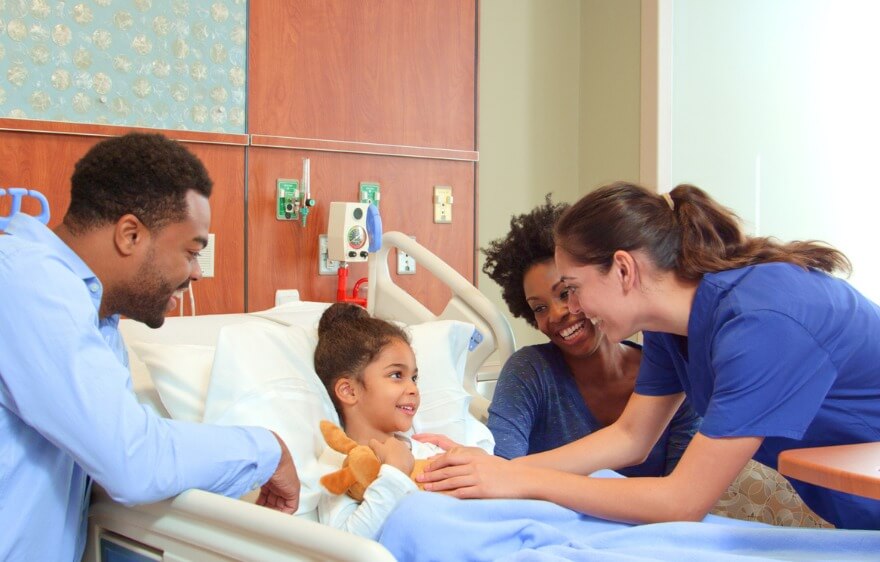
Nursing isn’t just about delivering medication or monitoring vital signs. It’s about caring for people — often in their most vulnerable moments. And with vulnerability comes ethical complexity. Should you honor someone’s request to stop treatment, even if it means they might die sooner? How do you advocate for a patient whose voice is being ignored? What if a fellow healthcare provider behaves in a way that feels wrong?
These aren’t decisions that can be made purely by following checklists or protocols. This is where ethical knowing in nursing becomes essential. It helps nurses navigate murky waters with confidence and compassion.
Here’s why it matters:
- It protects patient dignity and rights: Ethical knowing supports patient-centered care by ensuring respect, honesty, and informed consent.
- It builds trust: Patients and families trust nurses who clearly demonstrate fairness and compassion.
- It guides advocacy: Nurses often serve as the moral compass in healthcare teams, advocating for those who can’t speak for themselves.
- It fosters professional integrity: Ethical practice and working with a code of ethics helps nurses feel aligned with their values, reducing burnout and moral distress.
In short, ethical knowing in nursing keeps the human spirit at the center of healthcare.
Common Examples of Ethical Dilemmas in Nursing
Ethical dilemmas aren’t rare in healthcare — they’re a regular part of the job. And they can pop up in the most unexpected places. Recognizing these dilemmas is the first step in using ethical knowing effectively.
Let’s look at a few situations where ethical knowing in nursing plays a critical role:
End-of-Life Decisions
A patient with a terminal illness may wish to forgo aggressive treatment, but their family wants to explore all viable avenues of care. Nurses often find themselves caught between advocating for the patient’s wishes and supporting family members.
Ethical knowing helps nurses focus on the principle of autonomy, ensuring that the patient’s voice remains central in care planning.
Informed Consent
What happens when a patient doesn’t fully understand a procedure but signs the consent form anyway? Nurses may sense that the patient is confused or scared.
With ethical knowing, nurses take a step back and ensure the patient has all the information needed to make a truly informed decision. It’s not about checking boxes — it’s about meaningful therapeutic communication.
Cultural and Religious Beliefs
A patient refuses a blood transfusion due to religious beliefs, even though it could save their life. The nurse is torn between wanting to save the patient and honoring their decision.
Ethical knowing reminds the nurse to respect the patient’s values, even when it conflicts with personal or professional opinions.
Resource Allocation
In busy hospital settings, nurses often have to make quick decisions about who gets care first. Balancing fairness and urgency can be emotionally draining.
Ethical knowing in nursing offers a moral framework for prioritizing care in a way that respects both need and justice.
How to Identify Ethical Dilemmas Using Ethical Knowing
So how do you recognize when you’re facing an ethical dilemma? Often, it starts with a feeling — that quiet internal nudge that something isn’t quite right. It may come with a sense of discomfort, conflict, or unease.
Here are a few signs that ethical knowing should come into play:
- You’re torn between two or more conflicting responsibilities.
- You feel like you’re being asked to do something that doesn’t align with your values.
- A person’s wishes conflict with those of their family or healthcare team.
- You’re unsure about the fairness or equity of a policy or decision.
When these moments arise, it’s time to pause, reflect, and engage your ethical knowing. Ask yourself:
- What are the key values involved here?
- Who might be affected by this decision?
- Am I being true to the principles of justice, autonomy, and beneficence?
Sometimes, talking it out with a trusted colleague or ethics committee can also bring clarity.
Practical Tips to Strengthen Ethical Knowing in Nursing
Like any skill, ethical knowing can be developed and deepened over time. Don’t worry, you don’t necessarily need to have all the answers. Instead, try to develop a willingness to ask the right questions, reflect honestly, and learn from experience.
Here are some ways to grow your ethical awareness and confidence:
1. Reflect Often
Set aside time to think about your experiences. What went well? What challenged your values? Journaling can help you see patterns in how you make ethical decisions and where you might want to grow.
2. Learn from Others
Discuss ethical cases with colleagues, mentors, or in nursing forums. Hearing how others approach dilemmas can give you new insights and broaden your perspective.
3. Stay Informed
Healthcare ethics evolve. Stay current with professional codes of ethics, such as those from the American Nurses Association, and read articles about emerging ethical issues in healthcare.
4. Ask Questions
When something doesn’t feel right, speak up. You don’t have to have all the answers to raise a valid concern. Ethical knowing in nursing is about staying curious and open to dialogue.
5. Practice Empathy
Ethical knowing thrives on compassion. Try to see situations from the perspective of patients, families, and coworkers. Understanding their fears, hopes, and values helps you respond with kindness and wisdom.
6. Use Ethical Frameworks
Familiarize yourself with key ethical principles that often serve as a foundation for sound decision-making in healthcare. These core principles can act as a helpful mental checklist when you’re navigating complex or emotionally charged situations:
- Autonomy: Respecting a patient’s right to make their own decisions about their body and care, even if you personally disagree with their choices.
- Beneficence: Taking actions that promote the well-being of patients. This means doing good and actively contributing to their health and recovery.
- Nonmaleficence: The commitment to “do no harm.” It involves avoiding actions that could cause unnecessary injury, suffering, or risk to the patient.
- Justice: Treating patients fairly and equitably, regardless of their background, diagnosis, or ability to pay. It also involves distributing resources responsibly.
7. Participate in Ethics Committees or Workshops
If your workplace offers ethics rounds or training, join in. These settings offer rich, real-world examples where you can practice applying ethical knowing in nursing with guidance and peer support.
Approaching Nursing with Ethics and Compassion
Ethical knowing in nursing isn’t a set of rules. It’s a way of being. It’s about caring deeply, thinking critically, and always holding the patient’s dignity at the center of your practice. In a world of fast-paced medicine and ever-changing protocols, ethical knowing offers a steady hand and a compassionate heart.
By reflecting on your values, staying informed, and engaging with others, you can grow in your ability to navigate ethical challenges with confidence and grace. Whether you’re facing a difficult end-of-life conversation or questioning an institutional policy, ethical knowing gives you the grounding to do what’s right — not just what’s easy.
Care Options for Kids is a care community dedicated to providing a supportive, and uplifting work environment where nurses can practice advocacy and patient-centered care with a focus on ethics. We believe in meaningful connections, ongoing training, and benefits that promote work-life balance, including robust PTO. Why? Because when caregivers feel valued and supported, it can translate to ethical decisions and life-changing interactions for the families we serve.
So as you move through your day — charting vitals, comforting families, advocating for your patients — remember that your ethical knowing is always with you. It’s your inner care compass, your quiet strength, and a vital part of the incredible work you do.
Join the Care Options For Kids Team!
Are you ready for meaningful work that comes with benefits and not burnout? Join the compassionate care team that helps children and families live their best lives. Our clinicians provide best-in-class pediatric nursing, therapy, and school-based services. We bring individualized care to children where they live, work, and play. We have opportunities in homes, schools, and clinics across the country.
Apply at Care Options for Kids now. We make it easy to start so you can make a difference as soon as possible.