
As the crisp air settles in and the leaves begin to change, fall offers a welcome transition from the heat of summer. But with the coziness of fall, there are also a few unique challenges — especially for families with school-aged children. From the start of a busy school year to the onset of flu season and the mental health toll shorter days can take, fall wellness becomes an essential focus for parents and caregivers alike.
While it’s easy to get swept up in back-to-school routines, sports schedules, and holiday planning, it’s just as important to pause and ensure your family’s health — both physical and emotional — is fully supported.
That’s why we’re exploring how families can embrace fall wellness, especially by preparing for flu season and checking in on their kids’ mental health. We’ll also share some helpful tips on caring for children with basic to complex medical needs during this time in a holistic and informed way.
Understanding Fall Wellness: The Seasonal Shift and Its Impact
Fall wellness isn’t just about staying warm or sipping soup on cooler nights, although both are great. It’s about understanding how seasonal changes affect our bodies and minds, especially in children.
As daylight hours shorten and the weather cools, many kids may experience shifts in their energy, sleep, and mood. This can be due to lower exposure to sunlight, which impacts vitamin D levels and circadian rhythms, increased academic and social stress, and the beginning of cold and flu season. These changes make it critical to prioritize both physical health and emotional resilience during the fall months.
In short, fall wellness means taking a proactive, whole-child approach to health as families settle into the busiest stretch of the school year. And while sniffles and schedules might seem to take center stage, mental and emotional well-being can be just as important.
The Onset of Flu Season: What Parents Need to Know
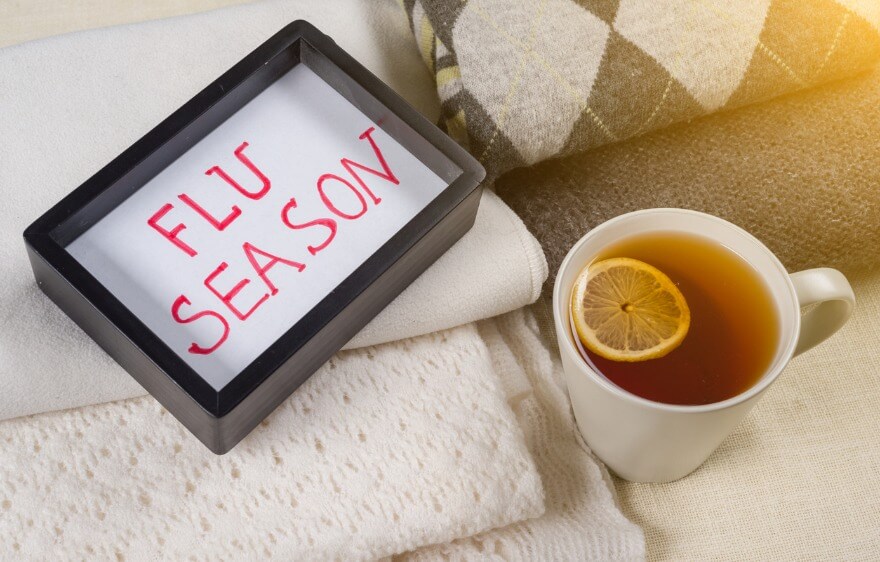
The flu tends to rear its head in the fall and reach its peak during the winter months. Schools, sports practices, and other group settings become hotspots for spreading germs, especially among younger children who may not yet be diligent about handwashing or covering coughs.
Steps families can take to prepare for flu season include:
- Schedule a flu shot: One of the most effective ways to protect your family is by ensuring everyone aged six months and older receives a seasonal flu shot. Ideally, this should be done by the end of October, but it’s never too late to benefit from it.
- Book wellness checkups: Fall is a great time to schedule annual checkups, especially before flu and cold viruses are in full swing. These visits allow pediatricians to monitor your child’s growth and development and offer preventative care, such as vaccinations.
- Practice and reinforce good hygiene: Teach and regularly remind your children about basic hygiene practices like washing hands thoroughly with soap and water, using hand sanitizer when soap isn’t available, and avoiding touching their faces unnecessarily.
- Keep sick kids home: While it’s not always convenient, keeping children home when they’re showing flu symptoms — fever, cough, sore throat, fatigue — helps prevent the spread of illness to others. This is an essential part of fall wellness in community settings.
- Stock up on essentials: It’s helpful to have a stash of tissues, thermometers, children’s fever reducers, hand sanitizer, and comforting food at the ready in case someone starts feeling under the weather.
Mental Health Check-ins: An Often Overlooked Part of Fall Wellness
With all the physical health concerns that arise in the fall, mental health can sometimes take a backseat. But emotional well-being is an integral part of fall wellness, especially as kids adjust to the full swing of the school year.
Why Mental Health Check-ins Matter
The start of school brings academic pressure, social challenges, extracurricular commitments, and sometimes even anxiety about performance or fitting in. On darker days and with less outdoor time, it’s easy for kids to feel overwhelmed, even if they can’t articulate it.
Regular mental health check-ins allow parents and caregivers to open the door to honest conversations. These moments let children feel seen, heard, and supported before their emotions spiral into something more serious.
What a Mental Health Check-in Should Look Like
You don’t need to schedule a formal sit-down with your child, though that can work too! Check-ins can be casual but should feel intentional. Here are a few tips:
- Ask open-ended questions: Try, “What was the best and hardest part of your day?” instead of “How was your day?” This invites more thoughtful responses.
- Listen without judging: Resist the urge to fix everything immediately. Sometimes kids just want to be heard and validated.
- Look for patterns: If your child seems persistently down, withdrawn, irritable, or anxious, it may be time to involve a mental health professional.
- Create a safe space: Let your kids know they can talk to you about anything without fear of punishment or dismissal.
- Normalize emotions: Remind your child that it’s okay to feel sad, angry, or scared. These are normal human emotions, and talking about them is a sign of strength.
Fall wellness includes tending to the emotional garden as much as the physical one. Especially in seasons of transition, these conversations can be a lifeline.
Supporting Kids with Complex or Chronic Medical Needs
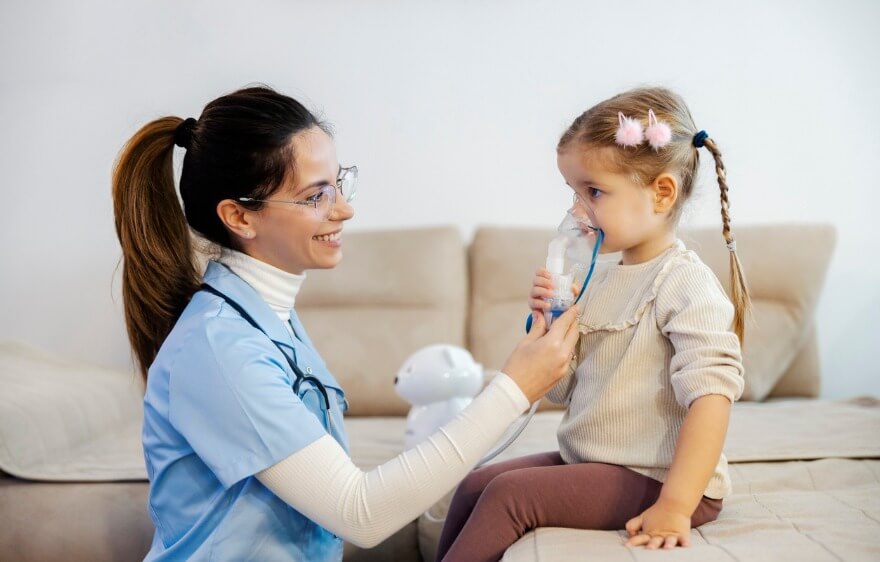
For children with basic to more complex medical needs, fall wellness requires even more thoughtful planning. The change in seasons can exacerbate respiratory conditions, lead to complications from viral infections, or introduce additional stress due to changes in routines.
Tips for Caring for Kids with Medical Needs in the Fall
Caring for children with medical needs requires extra attention as the seasons shift. Here are a few key ways to support their health and well-being this fall.
- Review care plans with medical providers: Use this time to revisit individualized care plans with your child’s doctors or specialists to ensure they’re up to date for the season.
- Communicate with schools: Make sure school nurses and teachers are aware of any special medical needs, from asthma action plans to dietary restrictions.
- Monitor indoor air quality: As windows close and heaters turn on, air quality can decrease. Use air purifiers and avoid harsh cleaning chemicals that could trigger respiratory issues.
- Have emergency medications ready: Make sure rescue inhalers, EpiPens, or other critical meds are not only available but not expired.
The Role and Benefits of Home Care
For some families, home health care can be an invaluable support during the fall and beyond. Whether your child needs help with medication administration, respiratory care, physical therapy, or more complex skilled nursing, pediatric home care offers fantastic benefits for families:
- Comfort and familiarity: Being in their environment helps many children feel safer and less anxious.
- Customized, consistent care: Home nurses and caregivers often develop strong bonds with children, providing consistent care tailored to their unique needs.
- Less exposure to germs: Avoiding frequent visits to clinics and hospitals can reduce the risk of catching seasonal illnesses.
- Support for the whole family: Home care can offer respite for parents and allow siblings to maintain a sense of normalcy during high-stress times.
Fall wellness is truly a family affair — and for families of children with basic to medically complex needs, the right resources and support systems make all the difference.
A Family-Centered Approach to Fall Wellness
So what does a successful fall wellness plan look like for your family? It’s a balanced approach that includes:
- Staying up to date on flu shots and checkups
- Teaching and reinforcing hygiene habits
- Prioritizing rest, nutrition, and hydration
- Checking in on mental health regularly
- Supporting kids with chronic or complex conditions
- Embracing home care support when needed
Above all, fall wellness is about being proactive instead of reactive. The better prepared you are, the more smoothly your family can navigate the ups and downs of the season. As a parent or caregiver, you’re already doing so much. Amid the busyness of fall, remember that small, consistent efforts toward fall wellness can have a significant impact on your child’s physical and emotional health.
Whether it’s a doctor’s appointment, an honest conversation over dinner, or a moment of rest when everyone slows down, each step counts.
Fall is a beautiful season of change — and with the right support, it can be a season of strength, growth, and connection for your family. So let’s make this fall not just cozy, but truly healthy inside and out.
Schedule Your Child’s Care Assessment Today
At Care Options for Kids, we understand the unique challenges of caring for children with basic to medically complex health conditions. Our dedicated team of pediatric home health care nurses is here to support your family with compassionate, expert care tailored to your child’s needs. Contact us today to schedule an assessment and learn how we can help you navigate this journey with confidence and care.
Click here to start your journey to better care.